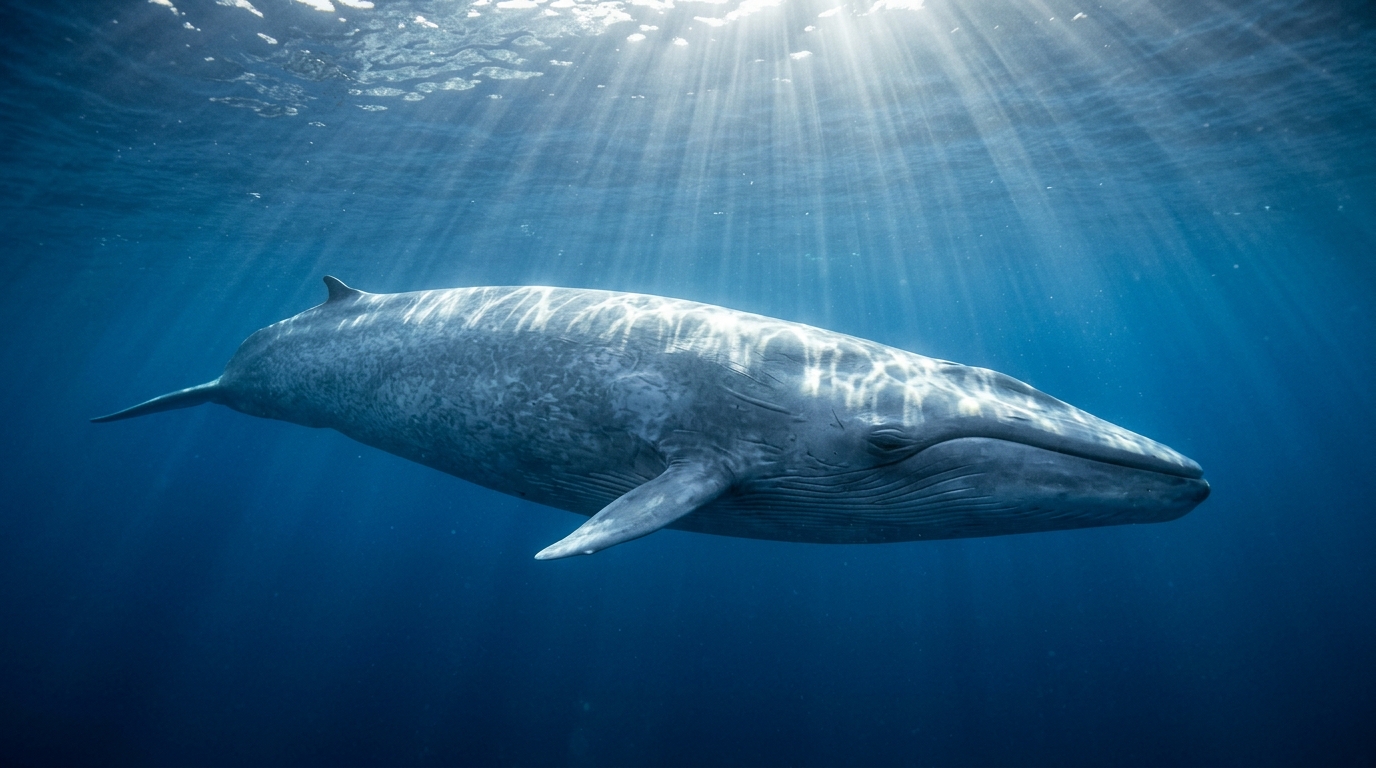
Dili & Atauro Island, Timor-Leste
Swim With Blue Whales in Timor-Leste
October–November pelagic expeditions along the Wetar Strait migration corridor between Dili and Atauro Island.
- Season & Peak Window
- October – November
- Peak: Mid-Oct – Mid-Nov
- Water Temp & Exposure Gear
- 27–29°C (81–84°F)
- Rashguard or 1.5mm suit
- In-Water / Boat Limit
- Max 4 swimmers + 1 guide
- Surface snorkeling only (parallel drift, never blocking path)
- Recommended Trip Length
- 3–5+ boat days recommended (6–7 nights)
- Typical range: $2,900 – $4,600 / person
- Airport Hub & Routing
- Presidente Nicolau Lobato Intl (DIL) via Bali (DPS) or Darwin (DRW)
- Permit & Booking Lead Time
- Book 4–8 months ahead (tiny fleet capacity)
Strict Ethical Protocol
No Cow-Calf Entries & Parallel-Only Positioning
Pygmy blue whales in Timor-Leste are actively migrating through a narrow deep-water channel. Our partner operators enforce a strict code of conduct: maximum 4 swimmers + 1 guide in the water, zero in-water entries with cow-calf pairs, and never positioning swimmers in front of a whale’s travel path.
Ocean Conditions & Encounter Overview
Every October and November, pygmy blue whales (Balaenoptera musculus brevicauda)—reaching up to 24 meters—funnel southbound through the 3,000-meter-deep Wetar Strait between Dili and Atauro Island on their way from Indonesian feeding grounds to Western Australia. Because the continental shelf plunges immediately off Timor-Leste's north coast, whales frequently travel within 1–3 kilometers of shore.
Unlike resting humpbacks in Tonga, migrating blue whales travel steadily at 3–5 knots and dive for 8–15 minutes between breath cycles. Successful, ethical in-water encounters depend on an experienced captain reading direction and surfacing intervals so the 4 swimmers slip in quietly well to the side—never blocking the whale's path—allowing the animal to glide past on its own terms.
Because wind, swell, and daily migration pulses vary, we strongly recommend booking at least 3 to 5+ consecutive boat days. Between whale sightings, the Wetar Strait regularly produces melon-headed whales, pilot whales, spinner dolphins, and some of the highest reef-fish biodiversity in the Coral Triangle around Atauro Island.
Daily Expedition Rhythm & Structure
07:00 Dili Launch Before Afternoon Trade Winds
Morning glass conditions in the Wetar Strait provide the cleanest visibility for spotting 6–9 meter vertical blows against Atauro Island.
Timed Parallel Positioning
After tracking two surfacing cycles from a respectful distance to confirm speed and solitary status (no calves), the boat positions wide of the line of travel for a silent 4-swimmer entry.
3–5+ Boat Days for Sighting & Weather Flexibility
Blue whale migration runs in pulses. Multi-day schedules give you multiple opportunities for calm, clear-water passes plus afternoon Coral Triangle reef drifts on Atauro Island.
Bonus Cetaceans & Coral Triangle Reefs
Regular encounters with short-finned pilot whales, false killer whales, Risso’s dolphins, and pristine coral walls off Atauro.
Ethical Wildlife Protocol
- Maximum 4 swimmers + 1 experienced marine guide in the water at once.
- Strict prohibition on swimming with mother-calf blue whale pairs (boat observation only).
- Never drop swimmers directly ahead of a whale or cut across its travel vector.
- If a whale alters speed, dives early, or changes course, the drop ends immediately.
- No touching, no chasing, and no underwater propulsion vehicles or strobes.
Essential Gear Checklist
- Long-sleeve UPF rashguard + swim tights or 1.5mm full suit (27–29°C water)
- Lightweight long or medium-blade fins for quick, quiet surface alignment
- Low-volume mask and snorkel
- Wide-angle rectilinear or fisheye lens (blue whales are 20–24m long)
- Polarized sunglasses, hat, and dry bag for open-boat Wetar Strait crossings
Timor-Leste Blue Whales FAQs
How many boat days should I book for Timor-Leste blue whales?
Plan for a minimum of 3 to 5+ full boat days. Blue whales are migratory and move in waves through the Wetar Strait; a single day trip is a gamble, whereas 4–6 boat days gives you strong odds of both surface sightings and clean, ethical in-water passes.
Why are cow-calf blue whale pairs off-limits for swimming?
Migrating pygmy blue whale mothers are conserving massive energy reserves while nursing calves across thousands of kilometers. Keeping boats at a respectful distance and banning in-water drops with cow-calf pairs prevents stress and separation.
What is the difference between pygmy blue whales and Antarctic blue whales?
Pygmy blue whales are a distinct subspecies of the blue whale, reaching up to 24 meters (79 feet) in length—still longer than any humpback, sperm, or gray whale. In clear 20–30m tropical visibility, their pale mottled blue-gray bodies are unmistakable.
How do I get to Dili, Timor-Leste?
Most travelers connect through Bali (DPS) on Aero Dili or Citilink (approx. 1 hr 45 min flight) or through Darwin, Australia (DRW) on Qantas/Airnorth. Visa-on-arrival is available at Dili (DIL) for most Western passports (bring USD cash).
Can I combine blue whale days with diving or snorkeling on Atauro Island?
Yes. Many 6–7 night itineraries base 3–4 days out of Dili for morning blue whale searches and spend 2–3 nights on Atauro Island for shore-entry wall snorkeling, freediving, and additional corridor searches.
Direct Local Operator Matching
Plan Your Timor-Leste Blue Whales Expedition
Tell us your preferred October – November dates and group size. We connect you directly with our vetted Timor-Leste expedition lead.
Compare or Combine
Related Expeditions
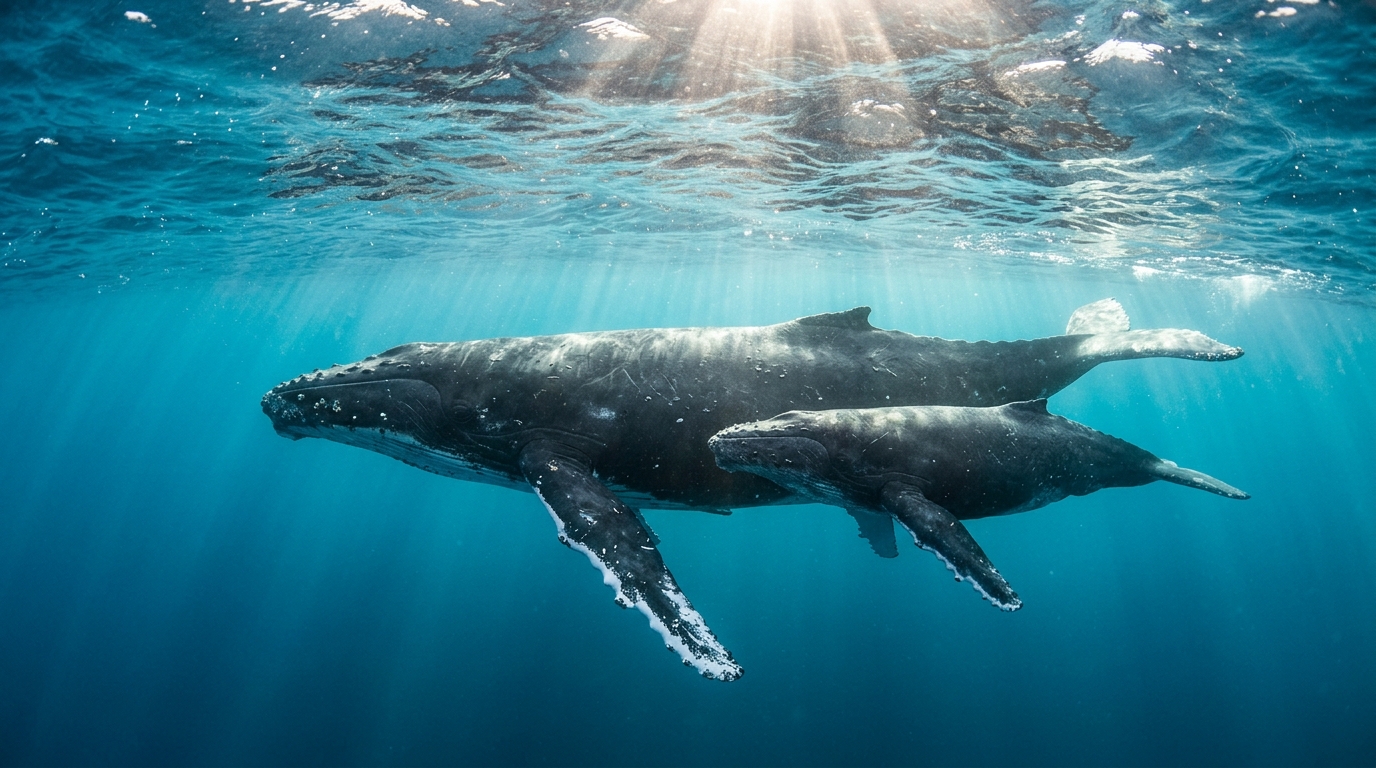
Tonga
23–25°CHumpback Whales
Tonga Humpbacks
Calm coral-sheltered lagoons in Vava'u and Ha'apai with mothers, newborn calves, singing males, and heat runs under Tonga's 4-swimmer rotation law.
- Peak Season
- Peak: Aug – Sep (calves & heat runs)
- Water Temperature
- Gear: 3mm full wetsuit + windbreaker
- Group Limit
- Cap: Max 4 swimmers + 1 licensed guide
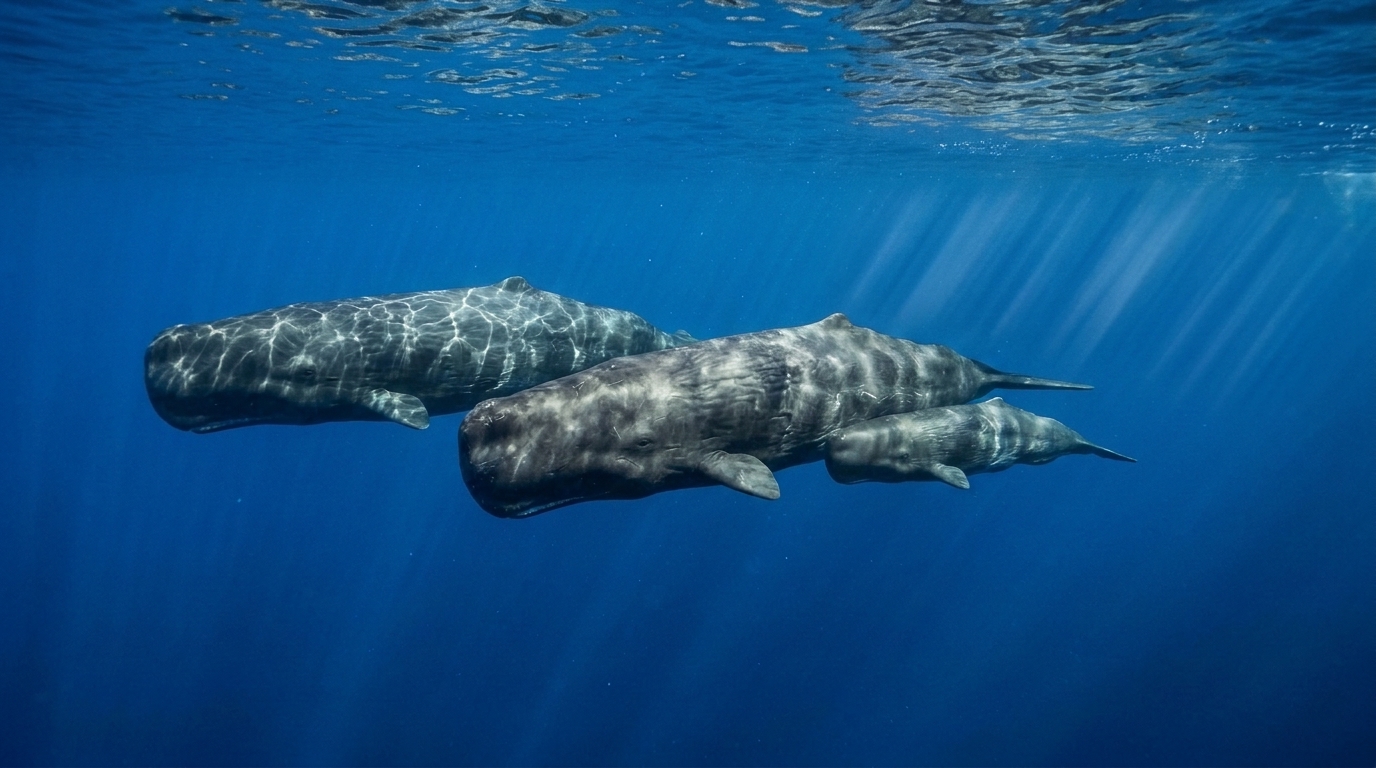
Dominica
26–28°CSperm Whales
Dominica Sperm Whales
The only place in the world with year-round resident sperm whale families in calm leeward waters, governed by strict 3-guest permits.
- Peak Season
- Peak: Nov – Mar (calm leeward seas & social units)
- Water Temperature
- Gear: Rashguard or 1.5–2mm shorty/full
- Group Limit
- Cap: Max 3 guests + 1 licensed guide
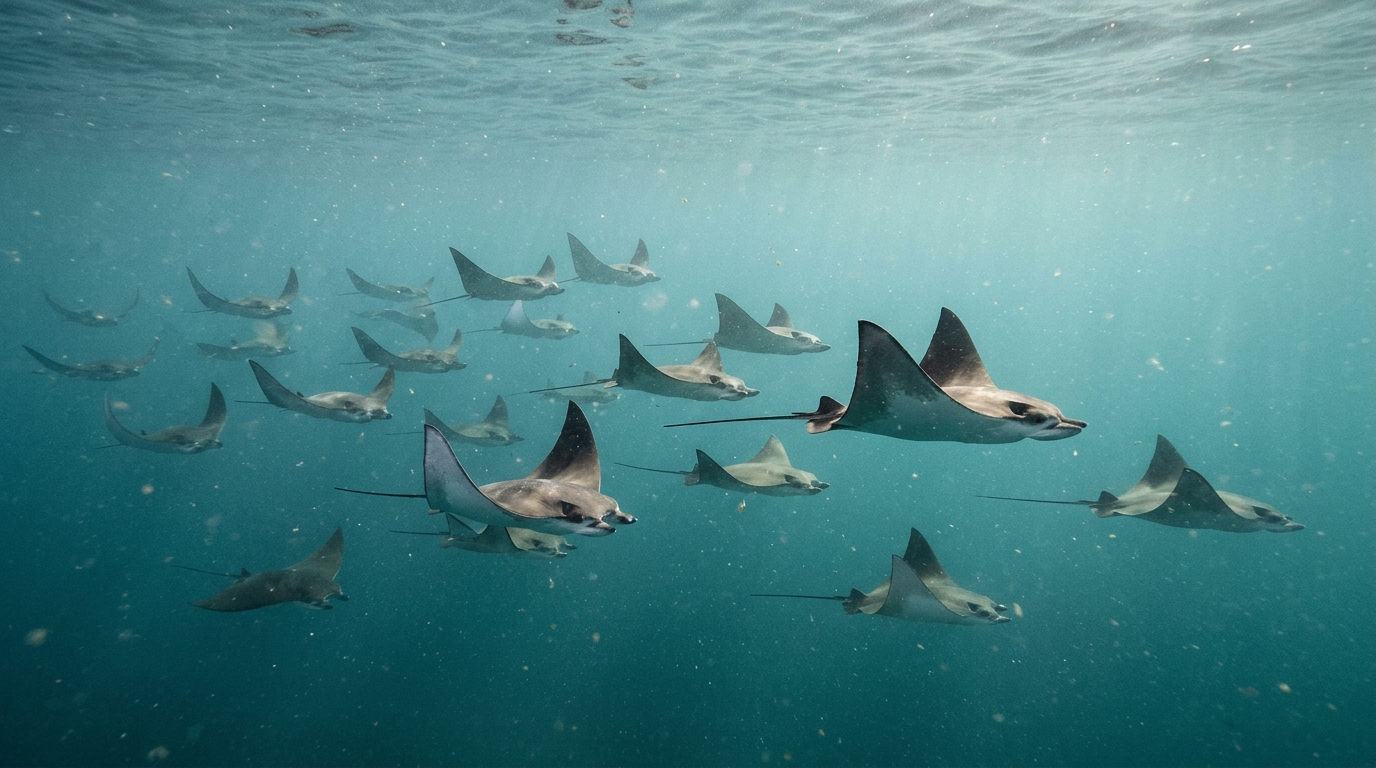
Mexico
21–28°CMobulas, Orcas & Pelagics
Sea of Cortez Safari
Unscripted open-ocean safaris across Baja’s eastern coast—schooling mobula rays, playful sea lions, transient orcas, and fin/blue/sperm whales.
- Peak Season
- Peak: May – Jul (mobulas & orcas)
- Water Temperature
- Gear: 3mm (Apr–Jun) / Rashguard–2mm (Jul–Nov)
- Group Limit
- Cap: Max 6 guests per panga