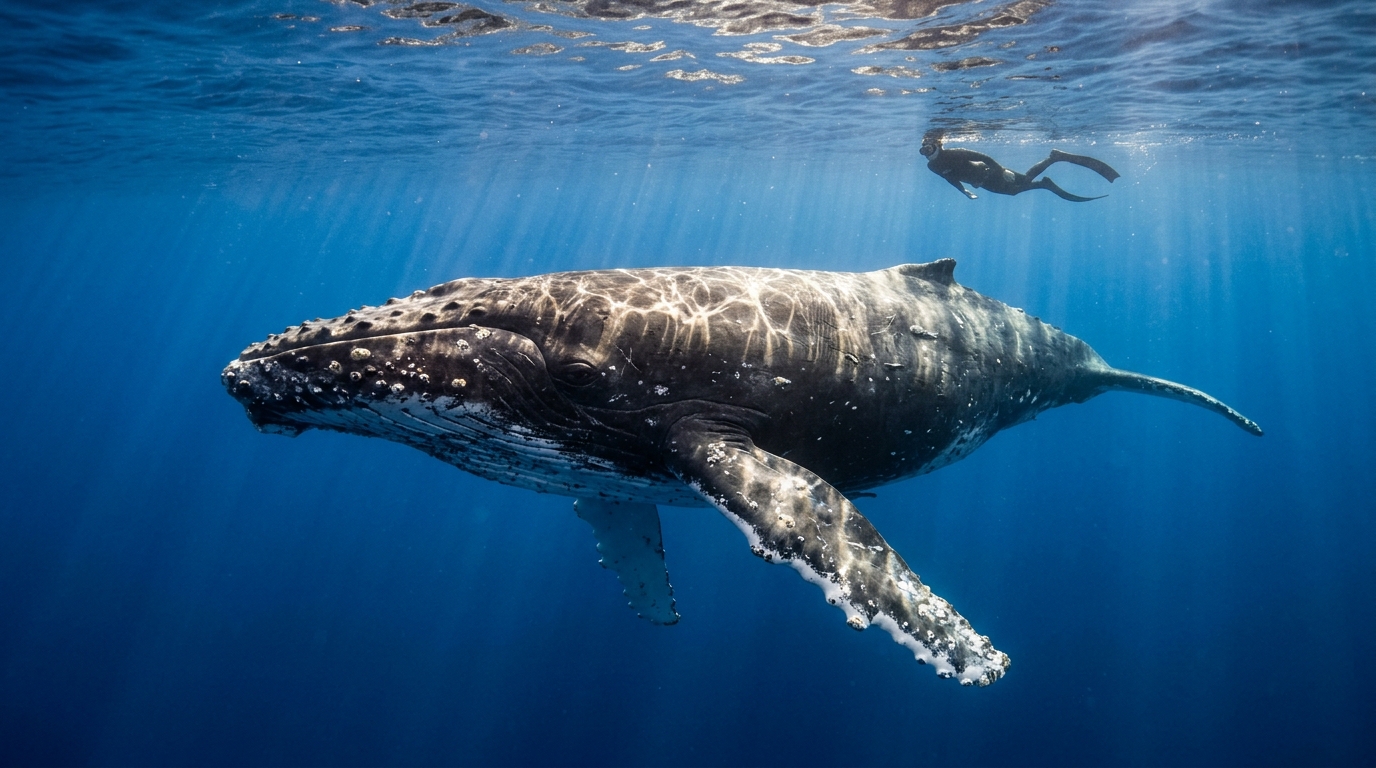
Freediving vs. Snorkeling With Whales
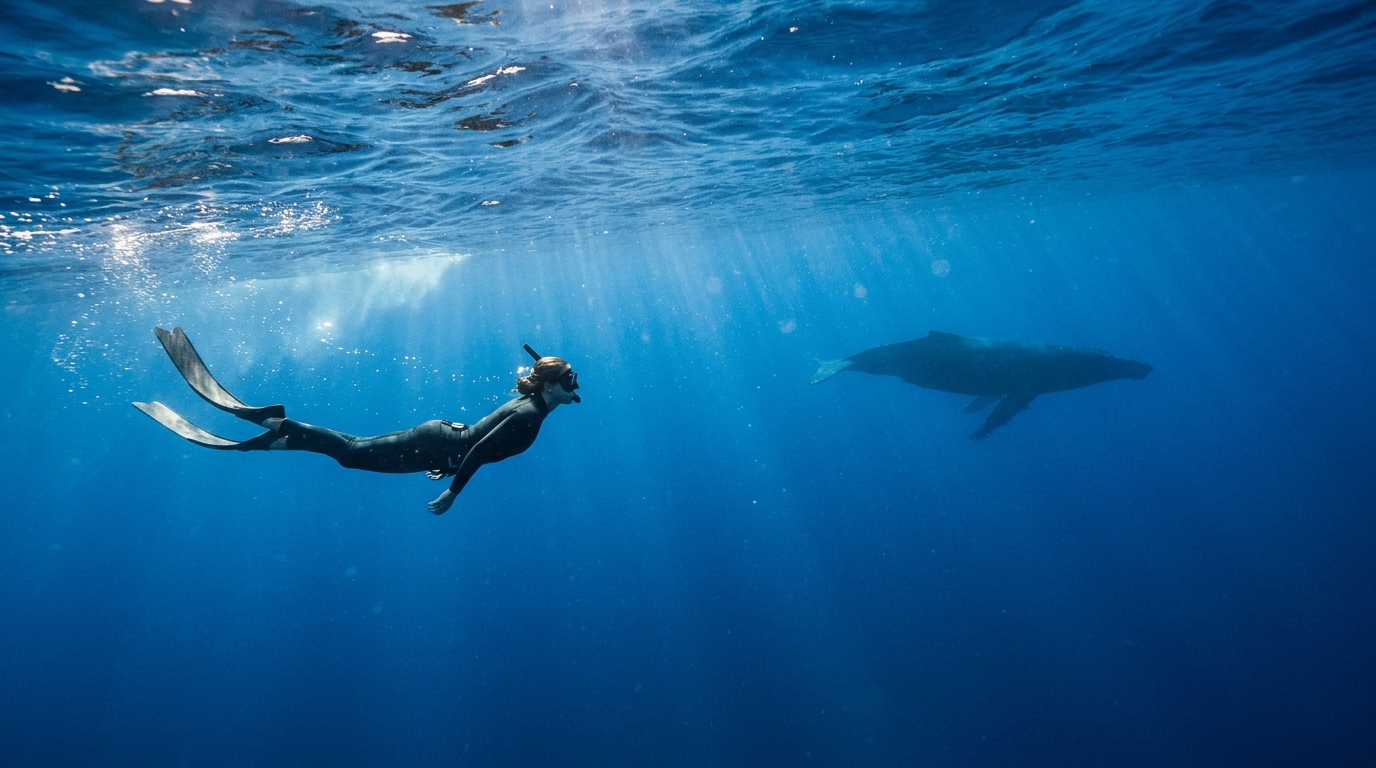
When you are allowed to duck-dive versus when surface-only rules apply, how to choose fins and wetsuit thickness for 2°C to 29°C waters, and camera habits that keep whales curious.
Guides & Field Journal
Practical, no-fluff briefs written from the boat deck: regional regulations, thermal gear specs, destination comparisons, and month-by-month migration timing.

When you are allowed to duck-dive versus when surface-only rules apply, how to choose fins and wetsuit thickness for 2°C to 29°C waters, and camera habits that keep whales curious.

A month-by-month breakdown of peak wildlife windows across Tonga, Dominica, Timor-Leste, Baja California, Yucatan, and Arctic Norway—so you never book a shoulder week by mistake.

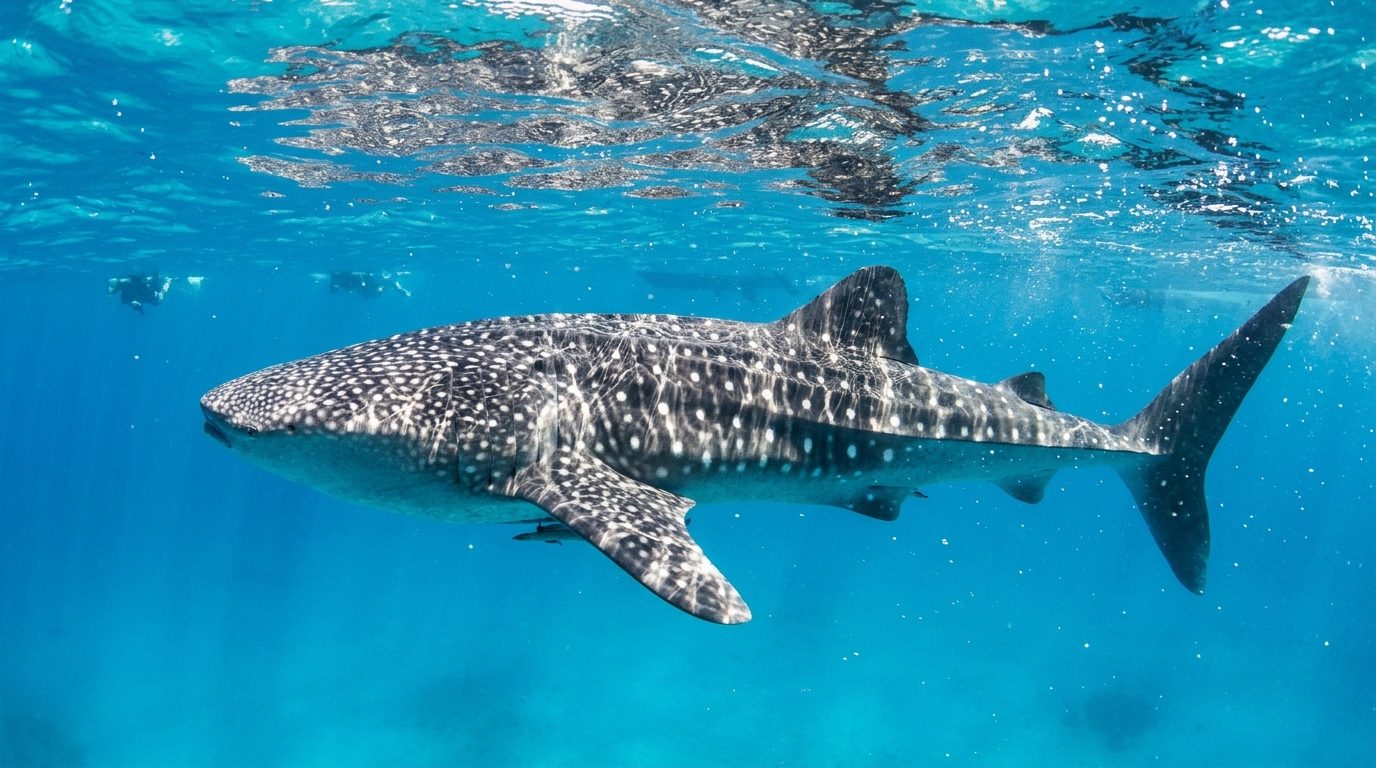
A direct comparison of the world’s top unbaited whale shark aggregations—Isla Mujeres, La Paz, and Ningaloo Reef—covering peak months, swimmer ratios, and why we avoid provisioned sites.

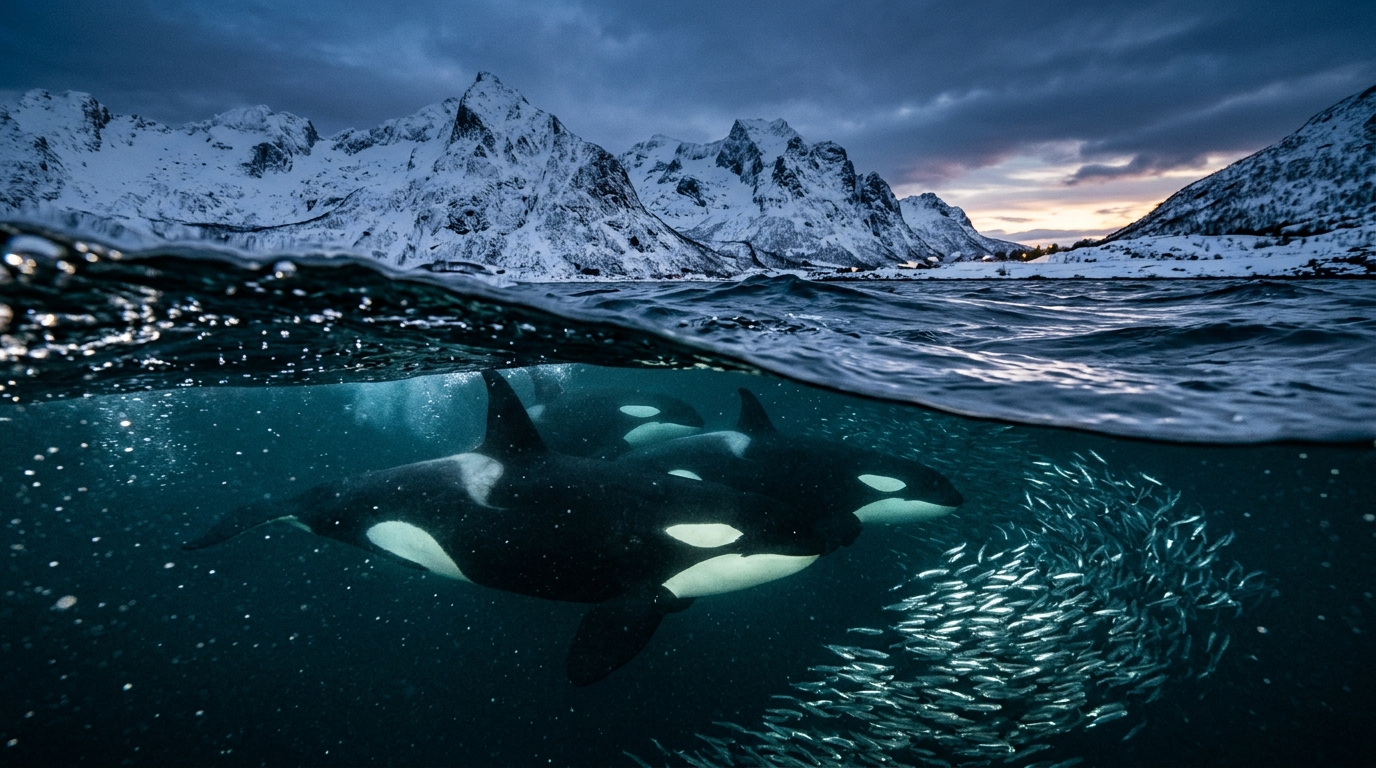
Where wild killer whales congregate seasonally—comparing Arctic Norway’s winter herring fjords, Baja’s transient pods, and boat-only Pacific Northwest viewing.

How to decide between classic boat-based whale watching and licensed in-water whale swimming—with a global breakdown of seasons, species, and legal access.

Open-circuit scuba bubbles sound like acoustic static to whales and are illegal on almost every licensed whale encounter. Here is why snorkel and freedive trips deliver far closer, calmer encounters.

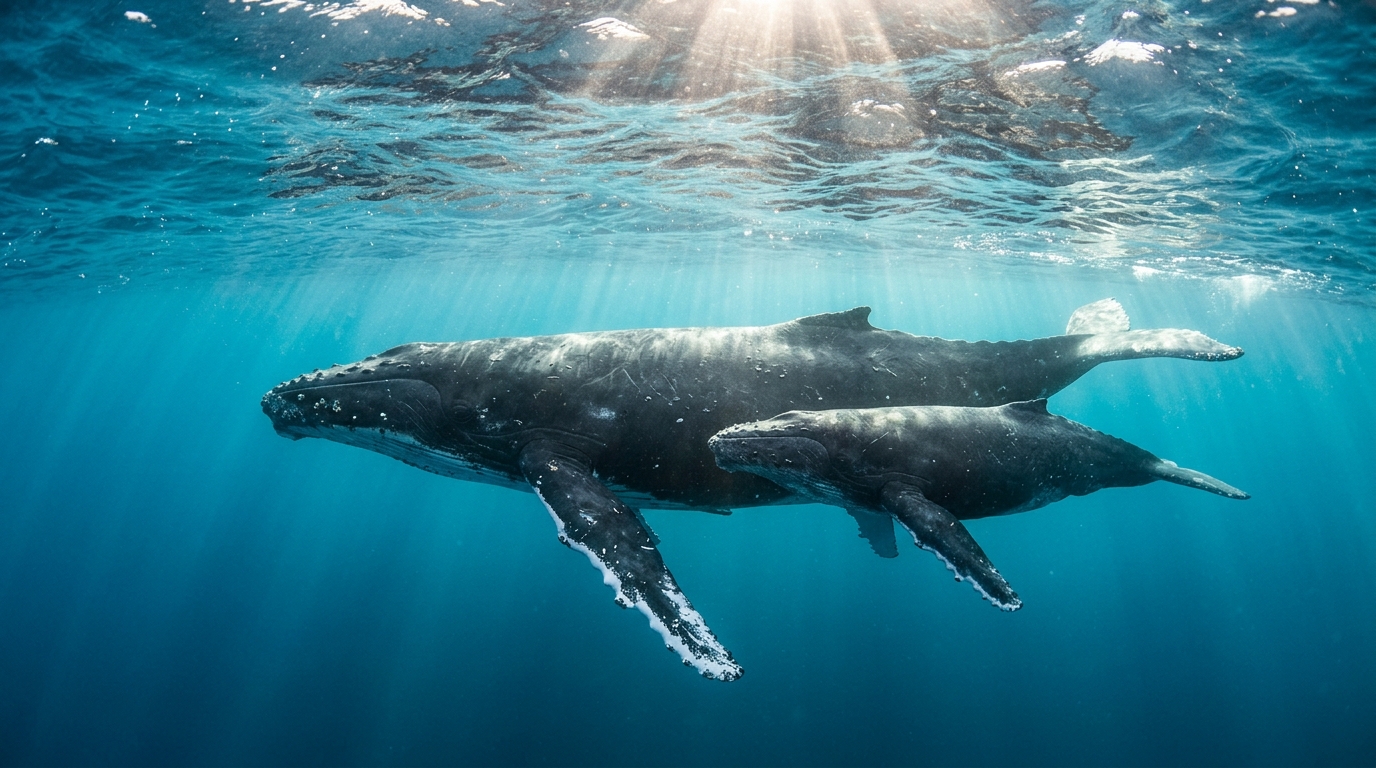
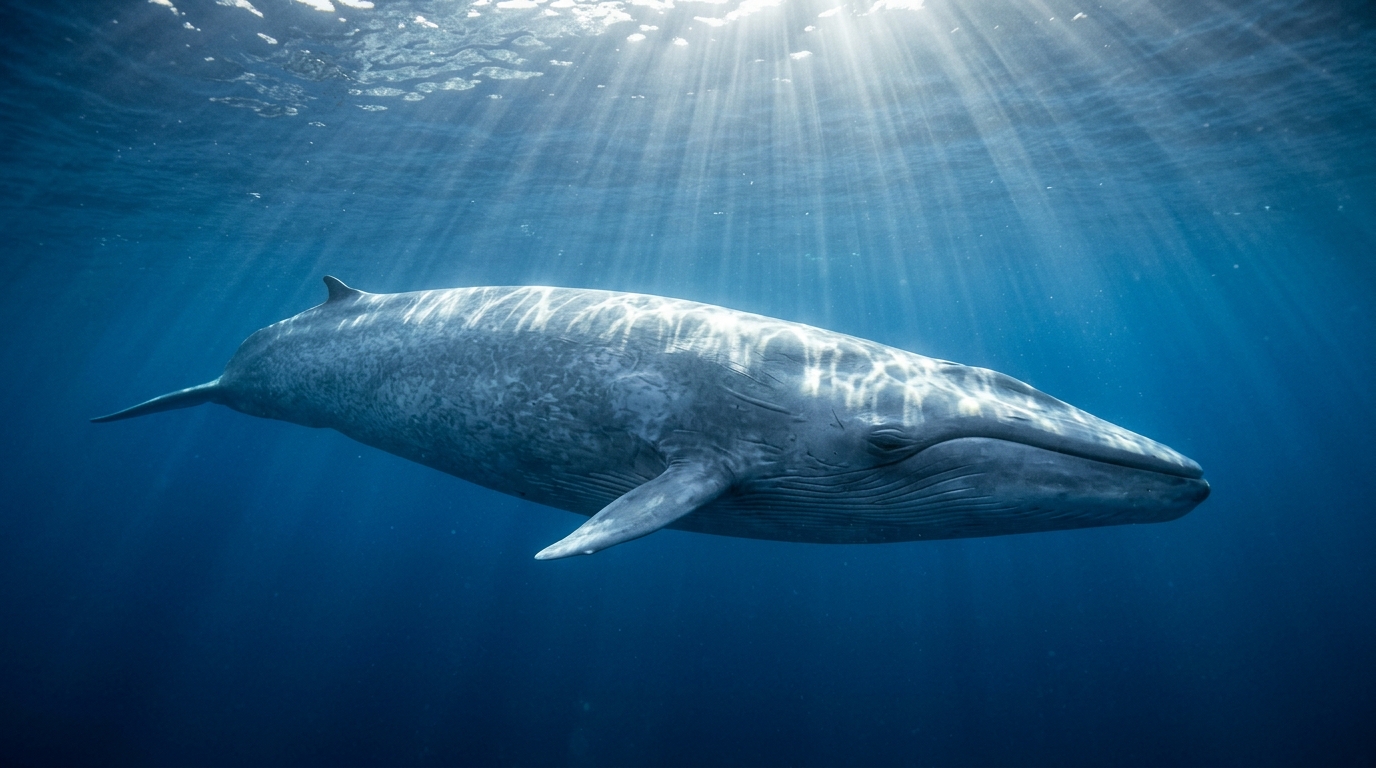
Where the largest animals on Earth reliably gather near shore—comparing Monterey Bay, Baja’s Loreto trench, Sri Lanka, and Timor-Leste’s migration corridor.

A month-by-month breakdown of Baja California Sur’s three distinct marine seasons—when to visit the Pacific coast versus the Sea of Cortez and how to pair regions.