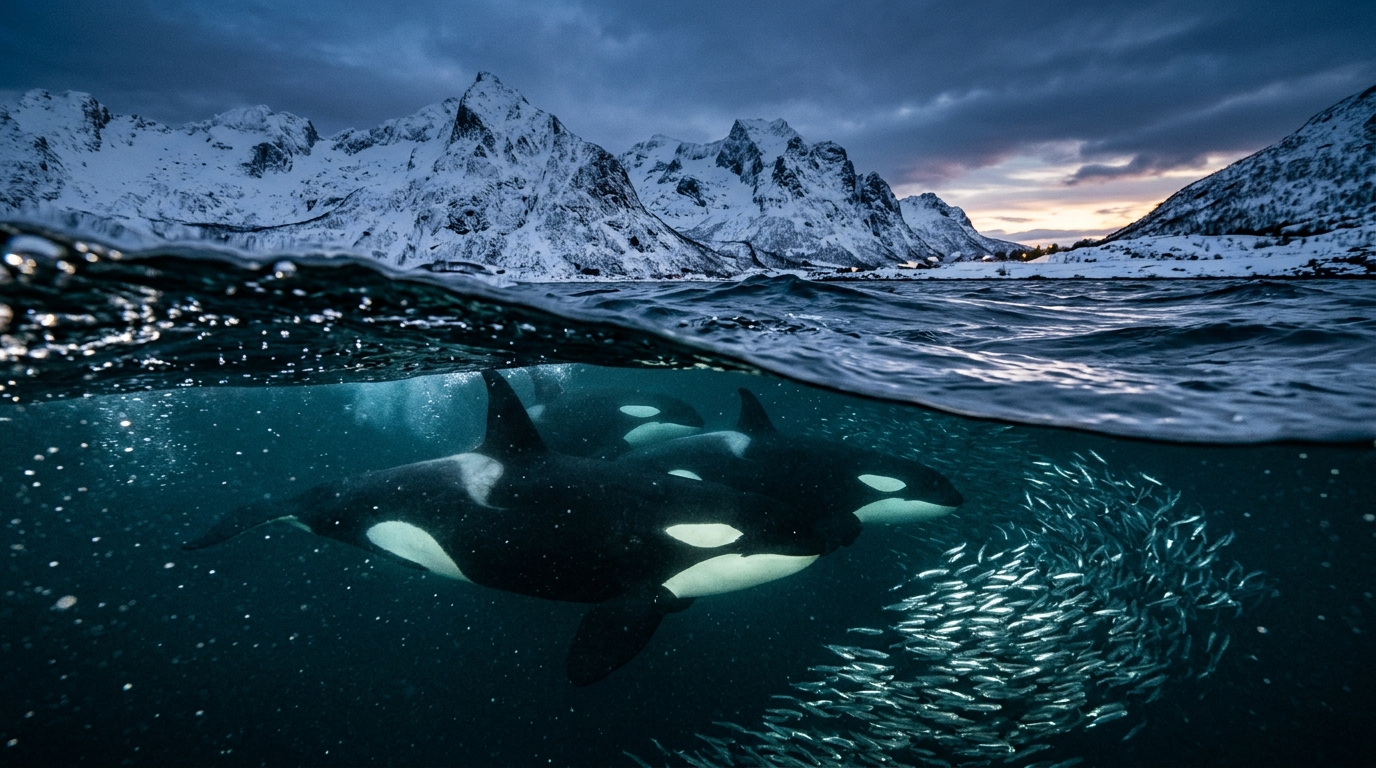
Tromsø & Skjervøy Fjords, Arctic Norway
Swim With Orcas in Arctic Norway
November–January fjord expeditions out of Tromsø and Skjervøy during the Norwegian spring-spawning herring run.
- Season & Peak Window
- November – January
- Peak: Nov – Dec (peak herring density)
- Water Temp & Exposure Gear
- 2–4°C (36–39°F)
- Drysuit with thermal undersuit OR 7mm open-cell freediving suit
- In-Water / Boat Limit
- Max 6–8 guests per RIB / expedition boat
- Surface snorkeling & passive freediving alongside herring bait balls
- Recommended Trip Length
- 5–7 days (liveaboard yacht or Skjervøy lodge + RIB)
- Typical range: $3,800 – $6,200 / person
- Airport Hub & Routing
- Tromsø Airport (TOS)
- Permit & Booking Lead Time
- Book 6–12 months ahead (short 10-week polar window)
Arctic Conditions & Guidelines
Cold-Water Readiness & Whale-First Fjord Positioning
Water temperatures hold between 2°C and 4°C with 3–4 hours of polar twilight per day. Our vetted Norwegian skippers follow strict Arctic Whale Watching Guidelines: never dropping inside an active feeding ring, positioning quietly ahead of traveling pods, and limiting RIB crowding.
Ocean Conditions & Encounter Overview
Each November through January, billions of Norwegian spring-spawning herring overwinter in the deep fjords around Skjervøy, Kvænangen, and northern Troms. Following the biomass come hundreds of orcas (killer whales) and dozens of humpback whales, creating one of the highest concentrations of marine predators on the planet.
Polar daylight is short—typically 09:30 to 13:30—so expedition schedules are built around maximizing those four hours of blue-hour Arctic light. Whether operating from an ice-class expedition yacht anchored near the fjords or a Skjervøy waterfront lodge running heated-cabin RIBs, boats locate feeding pods and slip swimmers in smoothly along the outer edge of the action.
Thermal management makes or breaks this trip. Surface snorkelers generally choose a shell drysuit over a 200–400g thermal undersuit, while experienced freedivers who want to duck-dive beneath bait balls wear a custom-fit 7mm open-cell wetsuit with 7mm hood, 5–7mm lobster mitts, and 7mm socks.
Daily Expedition Rhythm & Structure
08:30 Pre-Dawn Launch Into Kvænangen & Skjervøy Fjords
Depart in twilight so you are already in position beside the fishing fleet and herring schools the moment usable light hits the water around 09:30.
Controlled RIB Drops on Traveling & Feeding Orcas
Skippers read pod direction and drop small groups quietly off the flank so orcas—and occasional lunge-feeding humpbacks—pass within natural visual range.
Liveaboard Sailboat vs. Skjervøy Lodge Formats
Choose a 6-night expedition vessel sleeping directly in the fjords (zero daily road transfers) or a Skjervøy shore base with heated dry-room and fast RIBs.
Evening Northern Lights & Sauna Recovery
With polar night falling by 14:30, evenings are spent warming up in wood-fired saunas, reviewing underwater footage, and watching Aurora Borealis directly over the fjord.
Ethical Wildlife Protocol
- Never drop swimmers directly on top of a tight carousel-feeding herring ball.
- Hold a minimum 50-meter buffer when approaching resting or traveling pods; cut engines to neutral during drops.
- No chasing with engines, no splashing entries, and no swimming aggressively toward calves.
- Respect local fishing vessels and purse-seine exclusion zones.
- Small-group caps (6–8 swimmers max per zodiac/RIB) to avoid surrounding pods.
Essential Gear Checklist
- Drysuit + 300g–400g fleece undersuit (snorkelers) OR 7mm open-cell two-piece wetsuit (freedivers)
- 7mm neoprene hood, 5–7mm mitts or three-finger gloves, and 7mm neoprene socks
- Open-heel fins sized for drysuit boots (or wide foot-pocket freediving fins for 7mm socks)
- Anti-fog treatment, low-volume mask, and snorkel
- Fast wide-angle lens (f/2.8 or faster) and high-ISO camera body for low Arctic light
Norway Orcas FAQs
Drysuit or 7mm open-cell wetsuit for swimming with orcas in Norway?
If you plan to stay at the surface, a properly fitted drysuit with thick thermal layers keeps you far warmer on the RIB between drops and eliminates changing in sub-zero air. If you are a certified freediver who wants to dive 5–10 meters under bait balls, a 7mm open-cell wetsuit is required because drysuits are too buoyant to duck-dive safely.
Is there enough daylight in November and December for underwater photography?
Yes, though light is low and directional—similar to golden/blue hour for 3–4 hours daily. November has slightly more light than December; January sees light returning rapidly. Shoot fast wide-angle lenses (f/2.8) at ISO 1600–6400.
Are orcas safe to swim with in Norway?
There has never been a recorded fatal attack by wild orcas on humans anywhere in the world. Norwegian orcas are fish-eating specialists focused on herring. The primary risks in Arctic Norway are cold-water exposure, heavy swell, and accidental contact near lunge-feeding humpbacks—all managed by experienced guides.
Should I book a liveaboard or a Skjervøy shore-based trip?
Liveaboards (typically 8–12 guests) anchor directly in the fjords where the herring move, eliminating long drives and maximizing morning positioning. Shore-based Skjervøy trips offer hot showers, spacious drying rooms, and zero seasickness overnight.
How do I reach Skjervøy from Tromsø?
Fly into Tromsø (TOS) via Oslo (OSL). From Tromsø, Skjervøy is a scenic 3.5-hour express ferry or 4-hour coastal road transfer (often included in expedition packages).
Direct Local Operator Matching
Plan Your Norway Orcas Expedition
Tell us your preferred November – January dates and group size. We connect you directly with our vetted Norway expedition lead.
Compare or Combine
Related Expeditions
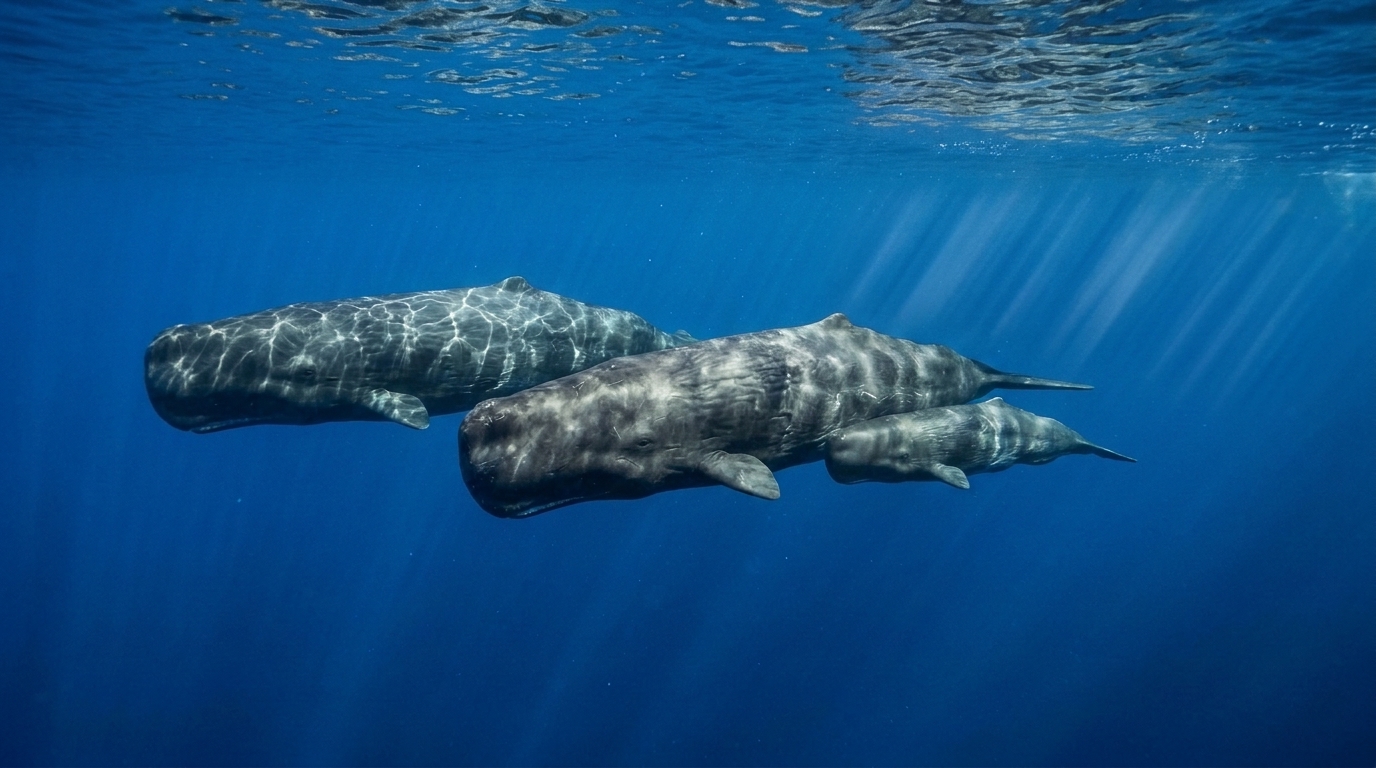
Dominica
26–28°CSperm Whales
Dominica Sperm Whales
The only place in the world with year-round resident sperm whale families in calm leeward waters, governed by strict 3-guest permits.
- Peak Season
- Peak: Nov – Mar (calm leeward seas & social units)
- Water Temperature
- Gear: Rashguard or 1.5–2mm shorty/full
- Group Limit
- Cap: Max 3 guests + 1 licensed guide
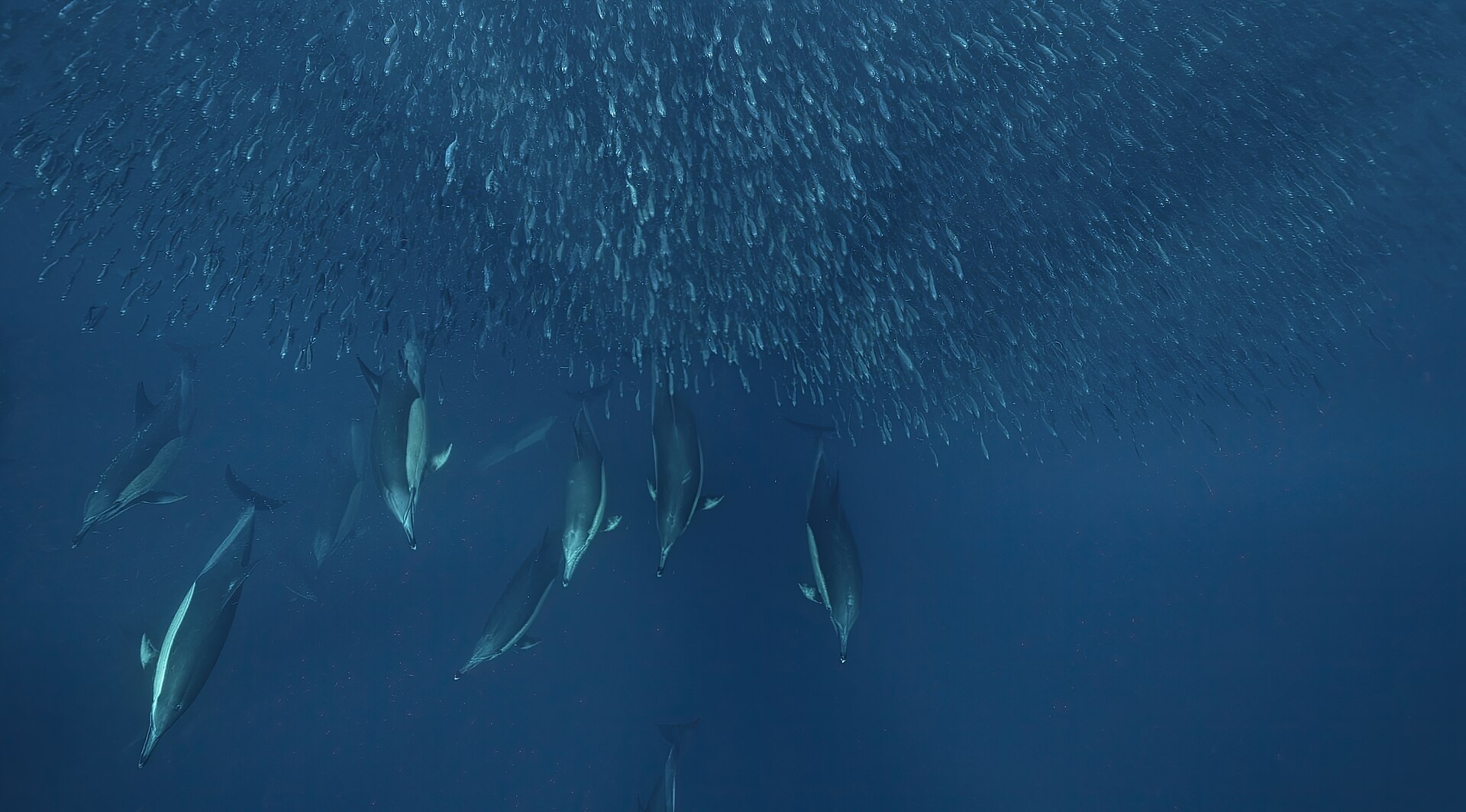
Mexico
20–24°CStriped Marlin & Bait Balls
Mexican Sardine Run
Fast-paced Pacific blue-water freediving with 10 to 40+ striped marlin slashing through mackerel and sardine bait balls alongside sea lions and whales.
- Peak Season
- Peak: Late Oct – Early Dec
- Water Temperature
- Gear: 3mm–5mm full wetsuit
- Group Limit
- Cap: Max 5–6 guests per panga
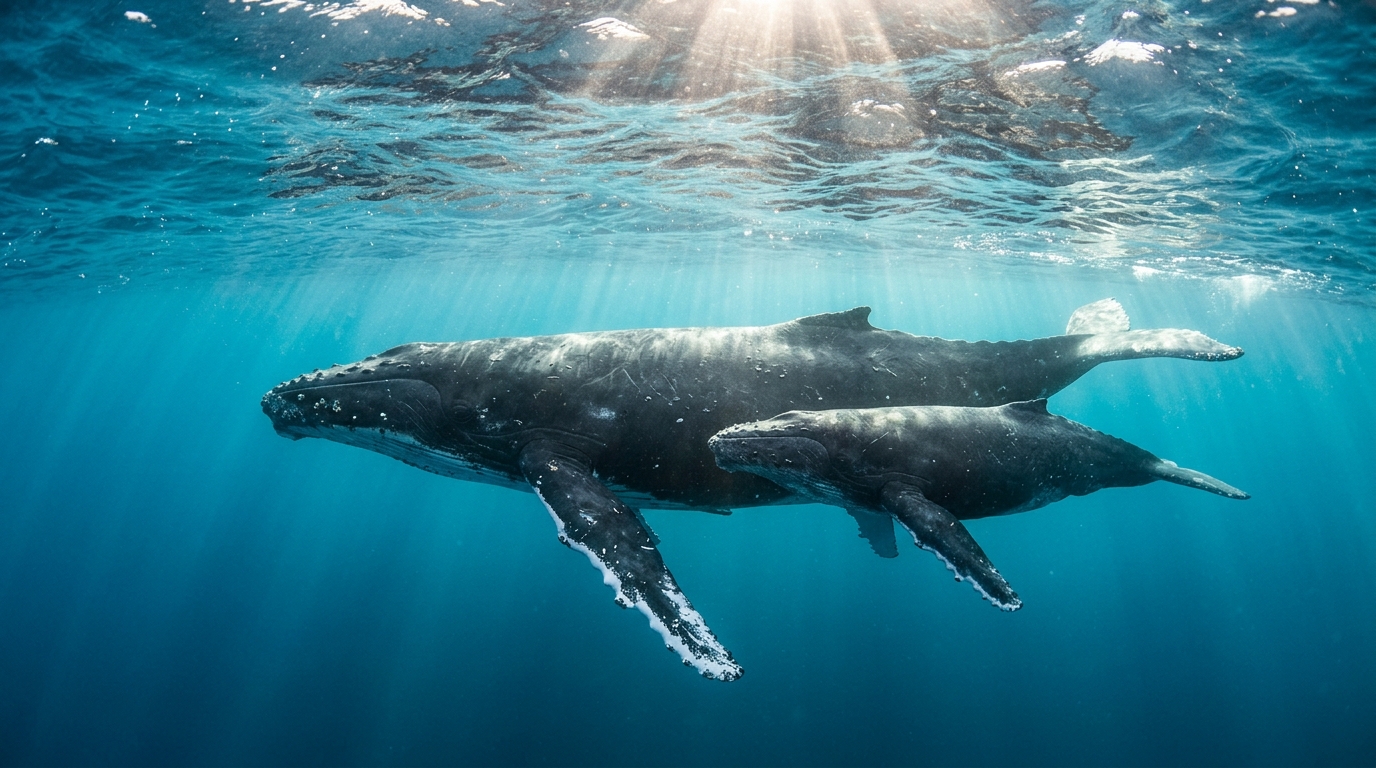
Tonga
23–25°CHumpback Whales
Tonga Humpbacks
Calm coral-sheltered lagoons in Vava'u and Ha'apai with mothers, newborn calves, singing males, and heat runs under Tonga's 4-swimmer rotation law.
- Peak Season
- Peak: Aug – Sep (calves & heat runs)
- Water Temperature
- Gear: 3mm full wetsuit + windbreaker
- Group Limit
- Cap: Max 4 swimmers + 1 licensed guide