Freediving vs. Snorkeling With Whales: Regulations, Fins, Wetsuits & Camera Etiquette
When you are allowed to duck-dive versus when surface-only rules apply, how to choose fins and wetsuit thickness for 2°C to 29°C waters, and camera habits that keep whales curious.
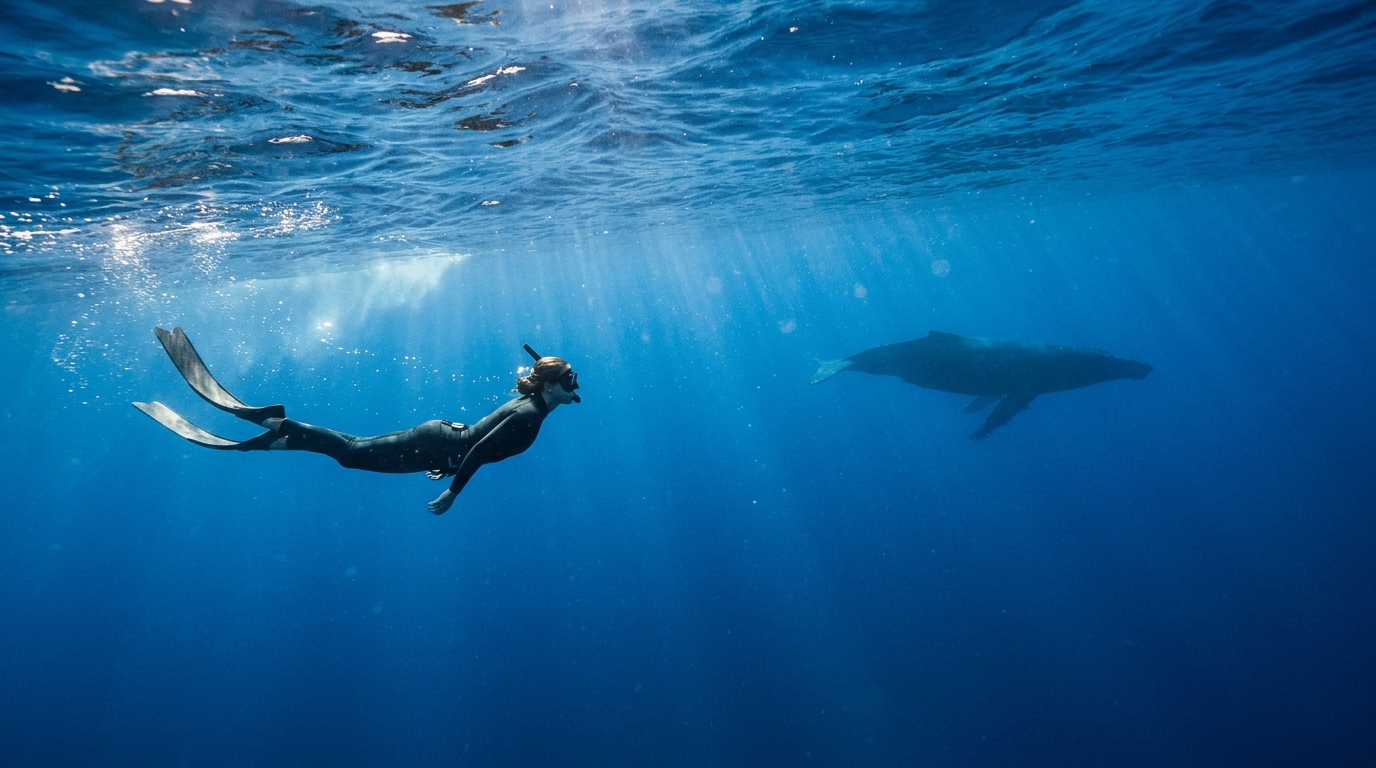
Field Summary
- Duck-diving onto resting mother-calf whales is prohibited or strongly discouraged in Tonga and Timor-Leste; surface floating produces far longer encounters.
- Soft-to-medium long-blade fins reduce splashing and fatigue during 6-hour pelagic boat days.
- Match thermal protection to water temp: rashguard (27–29°C), 3mm full (22–25°C), 5mm (19–22°C), and drysuit or 7mm open-cell in Arctic Norway (2–4°C).
1. Local Regulations: When Freediving Is Allowed vs. Surface-Only Rules
The single biggest misconception among certified freedivers booking their first whale trip is assuming they can duck-dive on every encounter. In reality, vertical diving is heavily restricted—or outright counterproductive—in several of the world’s premier whale destinations.
A sudden vertical kick-down over a resting whale mimics a predator approach and routinely ends an encounter in seconds. Knowing the legal and behavioral rules for each destination before you pack your weight belt saves frustration and protects the animals.
| Destination | In-Water Status | Duck-Diving Policy | Max Swimmers |
|---|---|---|---|
| Tonga (Humpbacks) | Allowed (licensed guide) | Surface-only on mother-calf pairs; rare passive drops on singing males | 4 + 1 guide |
| Dominica (Sperm Whales) | Permitted only | Controlled passive freediving allowed when guide clears; never on nursing calves | 3 + 1 guide |
| Timor-Leste (Blue Whales) | Allowed (parallel drift) | Surface-only; never dive down or block travel path; zero cow-calf entries | 4 + 1 guide |
| Baja California (Gray Whales) | Swimming prohibited by law | Boat-only panga encounters (SEMARNAT/CONANP) | Boat-only |
| Norway (Orcas) | Allowed (guideline-based) | Surface or passive freediving outside active feeding rings | 6–8 per RIB |
| Sea of Cortez & Mag Bay | Allowed (guided drops) | Freediving encouraged for mobulas & bait balls; passive around whales | 5–6 per panga |
| Yucatan (Whale Sharks / Sailfish) | Permitted (CONANP) | Surface-only for whale sharks (wetsuit or vest required); freediving ok for sailfish | 2 (WS) / 4–6 (Sailfish) |
2. Fin Selection: Carbon Long-Blades vs. Travel Fins
Open-ocean whale swimming is not reef snorkeling. Even a slow-cruising whale or a moving Magdalena Bay bait ball travels at 2 to 4 knots, and quiet, low-frequency kicks matter far more than frantic splashing.
Long-blade carbon or fiberglass freediving fins (soft to medium stiffness) deliver maximum propulsion per kick while keeping your heels below the surface so you do not slap water and spook whales. They shine in Dominica, Magdalena Bay, Sea of Cortez, and Arctic Norway.
If baggage limits or domestic prop-plane hops (like Tongatapu to Vava’u or Dili to Atauro) make 95cm fin bags impractical, choose a stiff-rail, medium-length composite travel fin rather than short, floppy rental fins. Always test foot pockets with the exact neoprene sock thickness you will wear on the trip.
- Soft-stiffness blades reduce lactic acid buildup during 6-hour pelagic days with repeated entries.
- Keep kicks slow and underwater; surface splashing creates acoustic noise that pushes shy whales away.
- For Norway drysuits, pair wide open-heel fins with your drysuit boots—standard freediving foot pockets will not fit.
3. Wetsuit Thickness & Thermal Strategy by Destination
Cold swimmers tense up, burn oxygen faster, and cut rotations short. Even in 25°C tropical water, sitting in a wet suit on an open panga during a 20-knot crosswind chills your core rapidly.
| Water Temp | Destinations | Recommended Exposure Suit |
|---|---|---|
| 27–29°C | Timor-Leste, Yucatan Whale Sharks | UPF 50+ long-sleeve rashguard + swim tights or 1.5mm suit |
| 25–28°C | Dominica, Sea of Cortez (Jul–Nov) | 1.5mm–2mm neoprene full suit or hooded vest + rashguard |
| 22–25°C | Tonga, Yucatan Sailfish, Mag Bay (Oct) | 3mm full wetsuit + windproof boat coat |
| 19–22°C | Mag Bay (Nov–Dec), Sea of Cortez (Apr–May) | 3mm–5mm full wetsuit (5mm open-cell if freediving) |
| 2–4°C | Arctic Norway (Tromsø / Skjervøy) | Drysuit + 300–400g undersuit (snorkelers) OR 7mm open-cell + 7mm hood/gloves/socks (freedivers) |
4. Underwater Camera Etiquette That Produces Better Encounters
Nothing ruins a whale encounter faster than a swimmer charging head-first behind a dome port. Whales read body language instantly: lateral, relaxed posture invites curiosity, whereas direct pursuit triggers evasion.
- No strobes or video lights on marine mammals—ambient light only. Strobes are illegal in several reserves (including Tonga and Yucatan) and startle nursing calves.
- Shoot wide (14–20mm full-frame equivalent or rectilinear wide-angle) so you do not need to crowd the subject to fit a 15-meter whale in frame.
- Hold your position in the group line with your guide. Breaking formation to swim ahead for a "hero shot" cuts across the whale’s path and typically terminates the drop for everyone.
- Use a dark, non-reflective housing and avoid waving selfie sticks toward a whale’s eye or rostrum.
Need Help Matching Your Dates?
Get Matched With a Licensed Local Expedition Lead
Tell us your preferred month, water experience level, and target species. We introduce you directly to our vetted partner captains with zero agency markup.
Book These Routes Direct
Featured Expeditions
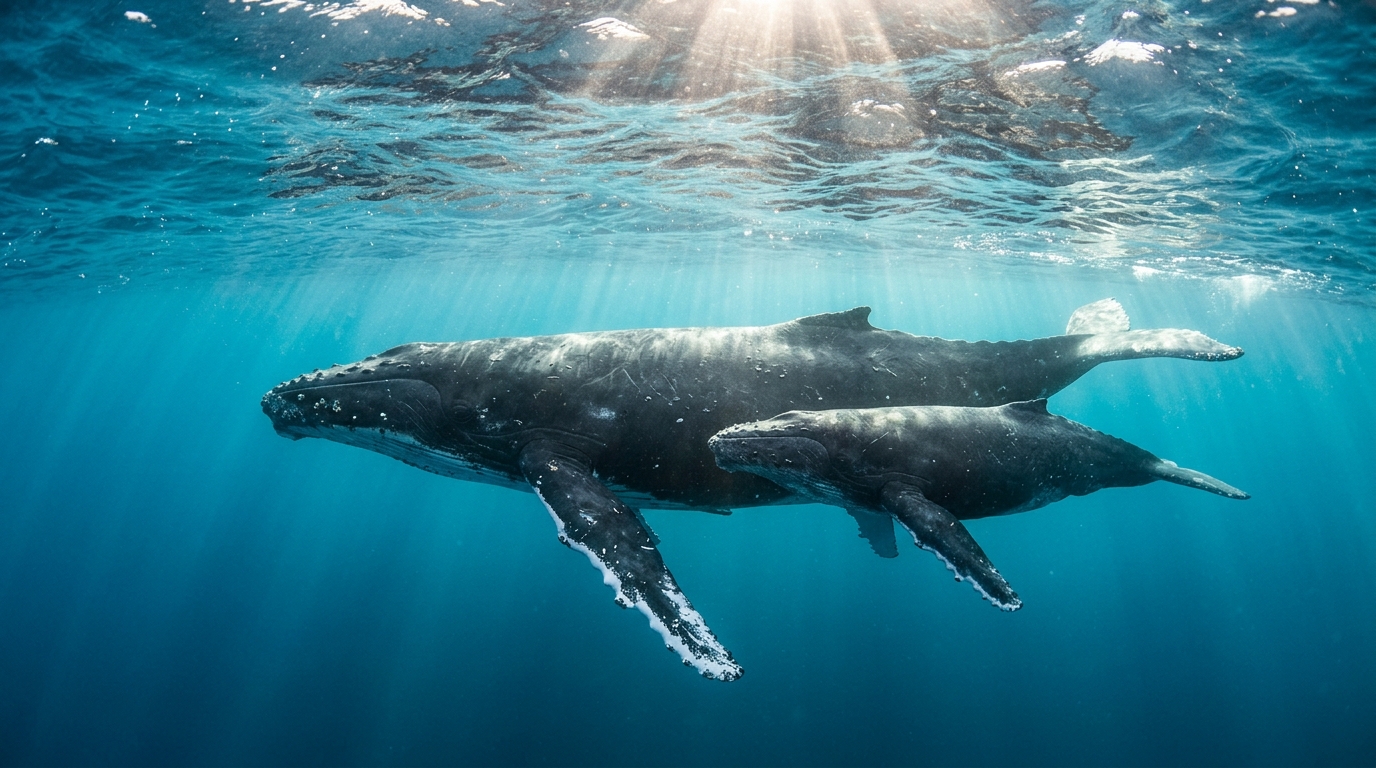
Tonga
23–25°CHumpback Whales
Tonga Humpbacks
Calm coral-sheltered lagoons in Vava'u and Ha'apai with mothers, newborn calves, singing males, and heat runs under Tonga's 4-swimmer rotation law.
- Peak Season
- Peak: Aug – Sep (calves & heat runs)
- Water Temperature
- Gear: 3mm full wetsuit + windbreaker
- Group Limit
- Cap: Max 4 swimmers + 1 licensed guide
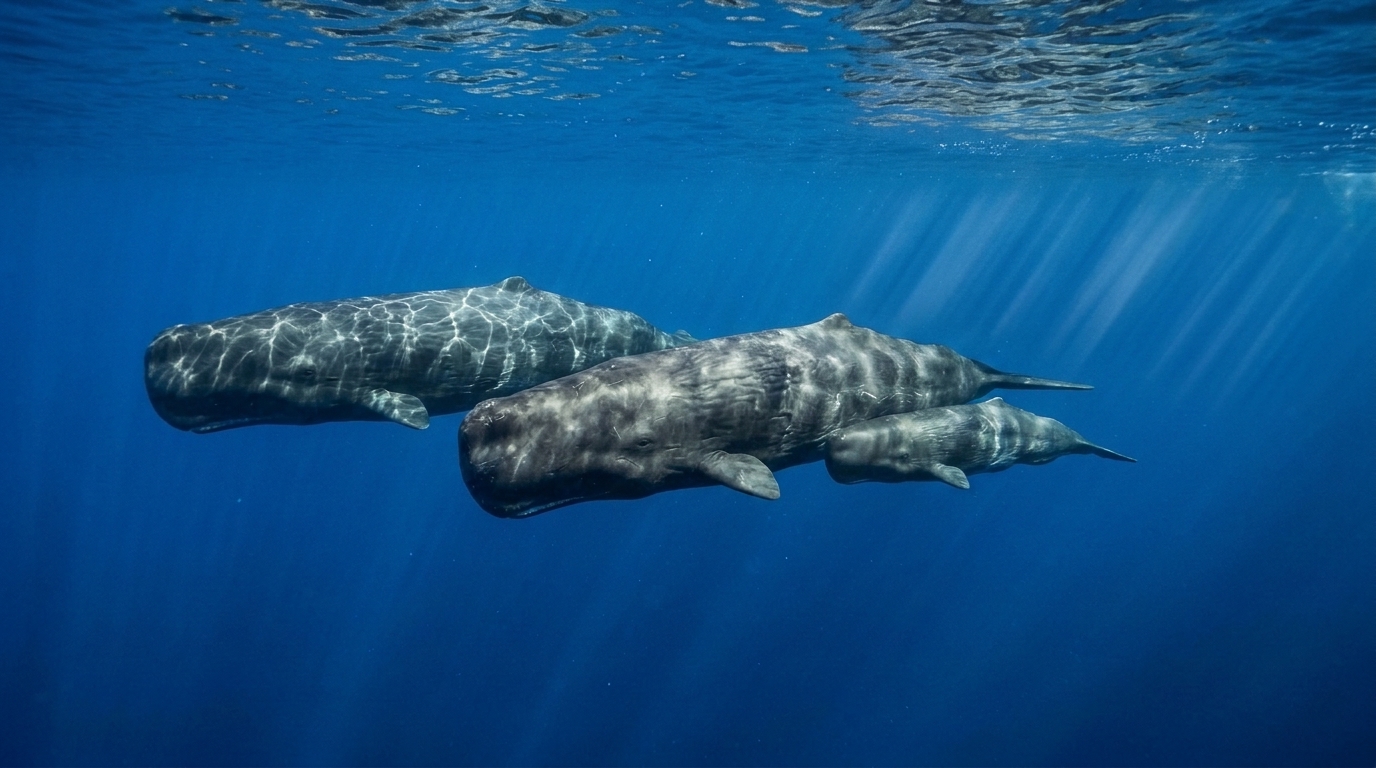
Dominica
26–28°CSperm Whales
Dominica Sperm Whales
The only place in the world with year-round resident sperm whale families in calm leeward waters, governed by strict 3-guest permits.
- Peak Season
- Peak: Nov – Mar (calm leeward seas & social units)
- Water Temperature
- Gear: Rashguard or 1.5–2mm shorty/full
- Group Limit
- Cap: Max 3 guests + 1 licensed guide
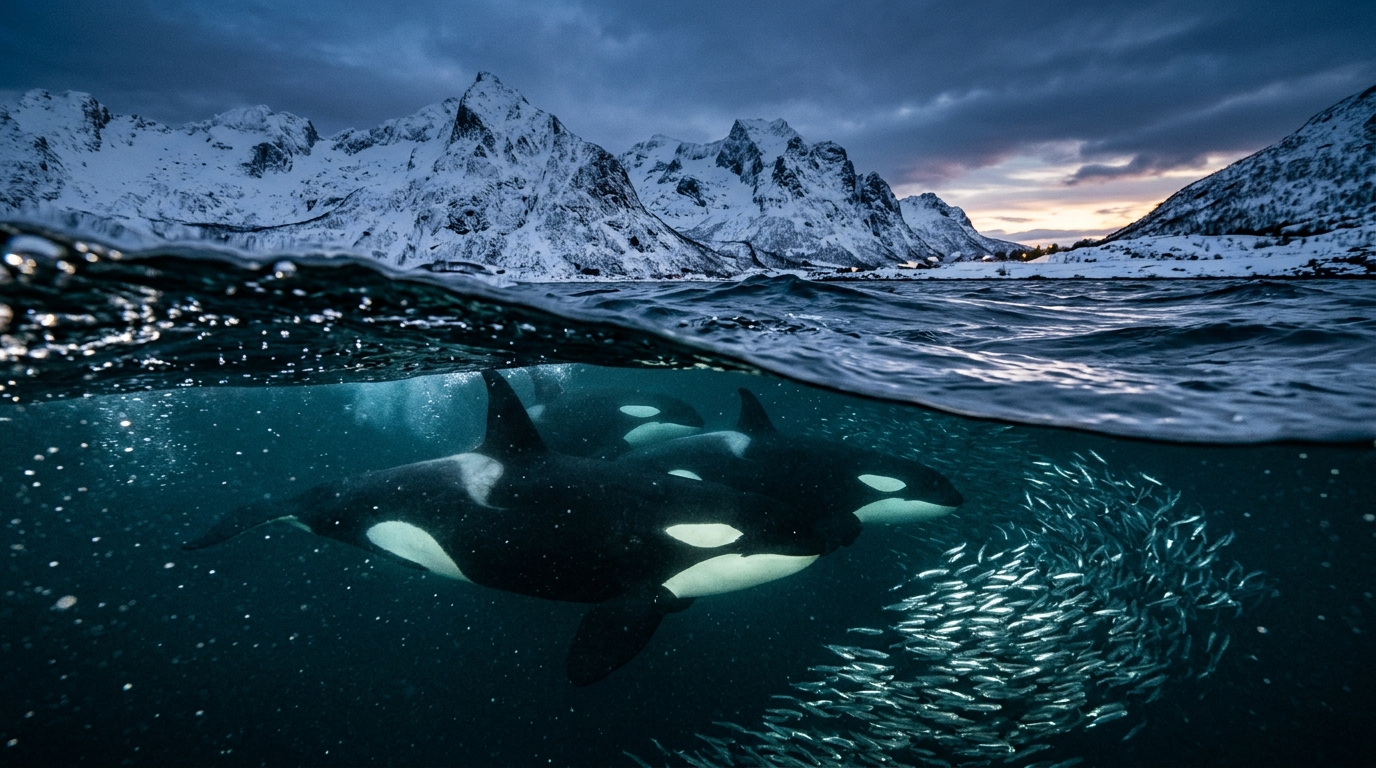
Norway
2–4°COrcas (Killer Whales)
Norway Orcas
Sub-zero Arctic fjords alive with carousel-feeding orcas and humpback whales herding massive herring bait balls under polar twilight.
- Peak Season
- Peak: Nov – Dec (peak herring density)
- Water Temperature
- Gear: Drysuit with thermal undersuit OR 7mm open-cell freediving suit
- Group Limit
- Cap: Max 6–8 guests per RIB / expedition boat
More Guides & Field Journal
All 8 guides →Best Time to Swim With Whales
A month-by-month breakdown of peak wildlife windows across Tonga, Dominica, Timor-Leste, Baja California, Yucatan, and Arctic Norway—so you never book a shoulder week by mistake.
Destination ComparisonsBest Places to Swim With Whale Sharks
A direct comparison of the world’s top unbaited whale shark aggregations—Isla Mujeres, La Paz, and Ningaloo Reef—covering peak months, swimmer ratios, and why we avoid provisioned sites.
Destination ComparisonsBest Places to See Orcas in the Wild
Where wild killer whales congregate seasonally—comparing Arctic Norway’s winter herring fjords, Baja’s transient pods, and boat-only Pacific Northwest viewing.