Best Places to Swim With Whale Sharks Worldwide: Seasons, Rules & Ethics
A direct comparison of the world’s top unbaited whale shark aggregations—Isla Mujeres, La Paz, and Ningaloo Reef—covering peak months, swimmer ratios, and why we avoid provisioned sites.
Field Summary
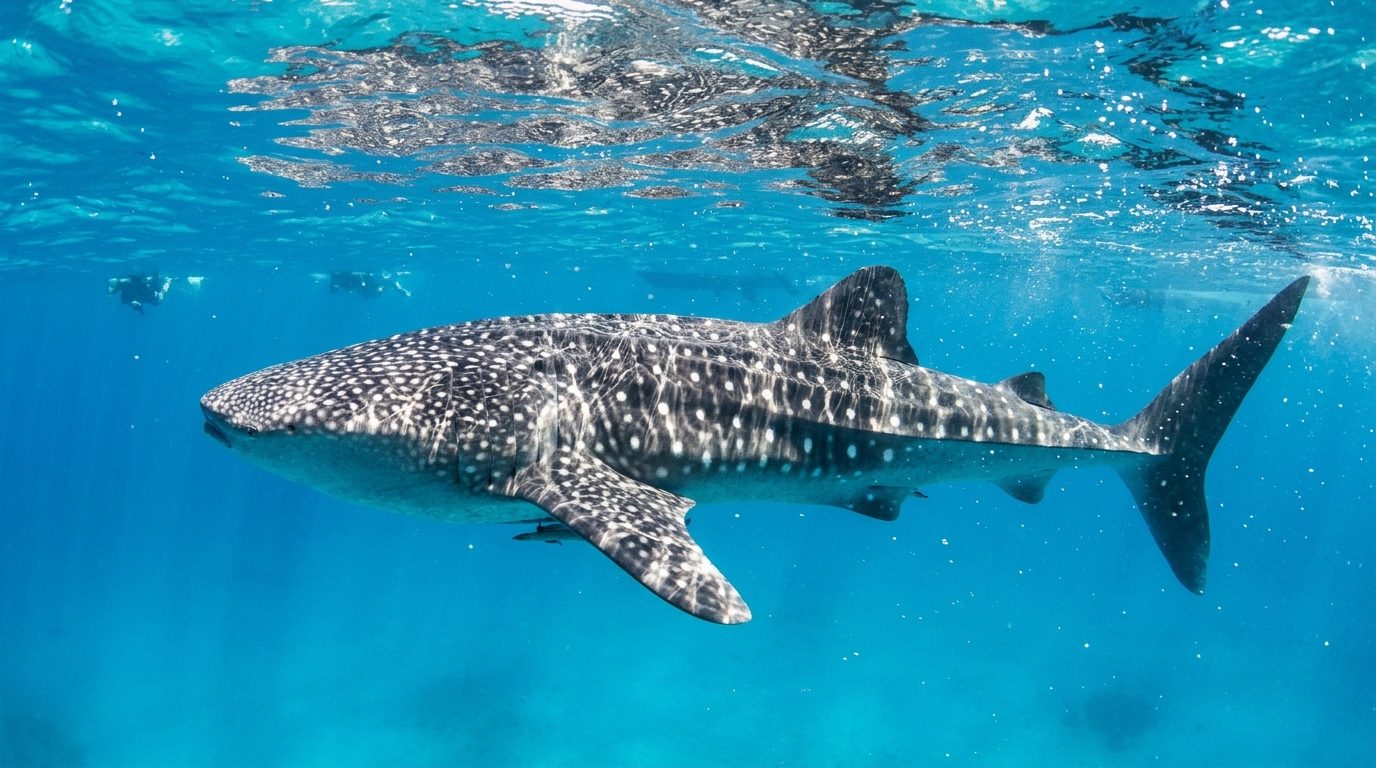
- Isla Mujeres (Mexico, Jun–Sep) hosts the largest seasonal whale shark gathering on earth (100–400+ sharks) in 28°C Caribbean water.
- La Paz in Baja California (Oct–Apr, permit-dependent) offers calm, sheltered bay snorkeling with juvenile whale sharks in 20–26°C water.
- Ningaloo Reef (Western Australia, Mar–Jul) uses spotter planes and strict licensing for reliable open-reef encounters.
- Always avoid provisioned (hand-fed) sites like Oslob, which alter natural migration patterns and cause propeller injuries.
Top Ethical Whale Shark Destinations Compared
Not all whale shark snorkeling destinations operate under the same ecological standards. The benchmarks below rely exclusively on natural plankton or fish-spawn aggregations—zero chum, zero hand-feeding, and strict government licensing.
| Destination | Peak Months | Water Temp | In-Water Limit | Best For |
|---|---|---|---|---|
| Isla Mujeres / Cancun, Mexico | Jun – Sep (Peak Jul–Aug) | 27–29°C | 2 swimmers + 1 guide (CONANP) | Highest density + giant oceanic mantas |
| La Paz, Baja California | Oct – Apr (quota-managed) | 20–26°C | Small guided groups (CONANP) | Calm bay water + Sea of Cortez combo |
| Ningaloo Reef, Australia | Mar – Jul | 23–26°C | Max 10 swimmers per shark (DBCA) | Spotter-plane efficiency + coral reef |
| Darwin’s Arch, Galapagos | Jun – Nov | 20–24°C | Scuba liveaboard only | Massive pregnant females (advanced divers) |
1. Isla Mujeres & Cancun, Mexico (June – September)
Every summer, massive bonito tuna spawning events northeast of Isla Mujeres draw hundreds of whale sharks to the surface to ram-filter fish eggs. Because the sharks are concentrated in a defined offshore corridor ("Afuera"), sighting reliability in July and August is among the highest anywhere.
The critical mistake most travelers make is booking a cheap 10-person Cancun day boat that arrives late in choppy midday swell. Booking a licensed private or 4–6 guest boat departing directly from Isla Mujeres at 07:00 gives you clean 2-swimmer rotations ahead of the crowds and frequently adds encounters with giant oceanic manta rays.
2. La Paz & Sea of Cortez, Baja California (October – April)
Inside the shallow, plankton-rich waters of La Paz Bay, juvenile whale sharks gather to feed from autumn through early spring. Because the bay is sheltered from open-ocean swell, La Paz is one of the easiest locations for newer snorkelers and families.
Mexican authorities (CONANP) strictly monitor shark counts daily and temporarily pause permits whenever fewer than five sharks are present inside the reserve—so pairing La Paz whale shark days with a broader Sea of Cortez ocean safari (sea lions, mobula rays, pelagic whales) ensures a productive trip.
3. Why Ethical Whale Shark Rules Matter
Whale sharks are endangered (IUCN). Ethical encounters require three non-negotiable standards: natural unbaited aggregations, strict lateral distance (2 meters from the body, 3 meters from the caudal fin), and zero touching or flash photography.
- Wear a long-sleeve UPF rashguard instead of sunscreen—chemical sunscreens are banned in the Mexican Caribbean Biosphere Reserve.
- Never swim directly across the shark’s mouth or drop down in front of its path; swim parallel alongside the pectoral fin.
- Use medium-length fins—even a relaxed whale shark cruises at 2.5 to 3 knots.
Frequently Asked Questions
When is the best month to swim with whale sharks in Mexico?
For Isla Mujeres and Cancun (Yucatan), July and August are peak months for large aggregations. For La Paz in Baja California, November through March typically offers the most consistent juvenile sightings when CONANP permits are open.
Do I need to be a scuba diver or freediver to swim with whale sharks?
No. Whale sharks feed right at the surface in Mexico and Ningaloo Reef, and regulations in the Yucatan Biosphere Reserve actually require surface snorkeling only (with either a full wetsuit or buoyancy vest).
Why do ethical operators avoid Oslob in the Philippines?
Oslob operators hand-feed whale sharks daily from boats, which disrupts natural migration, encourages sharks to associate boat propellers with food, and leads to frequent crowding and skin abrasions.
Need Help Matching Your Dates?
Get Matched With a Licensed Local Expedition Lead
Tell us your preferred month, water experience level, and target species. We introduce you directly to our vetted partner captains with zero agency markup.
Book These Routes Direct
Featured Expeditions
Mexico
24–26°CWhale Sharks & Sailfish
Yucatan Pelagics
The world’s largest summer whale shark gathering (Jun–Sep) and high-speed winter Atlantic sailfish bait-ball runs (Jan–Mar) off Isla Mujeres.
- Peak Season
- Peak: Feb (Sailfish) / Jul–Aug (Whale Sharks)
- Water Temperature
- Gear: 3mm (Jan–Mar) / Rashguard (Jun–Sep)
- Group Limit
- Cap: 2 swimmers + 1 guide (Whale Sharks) / 4–6 max (Sailfish)
Mexico
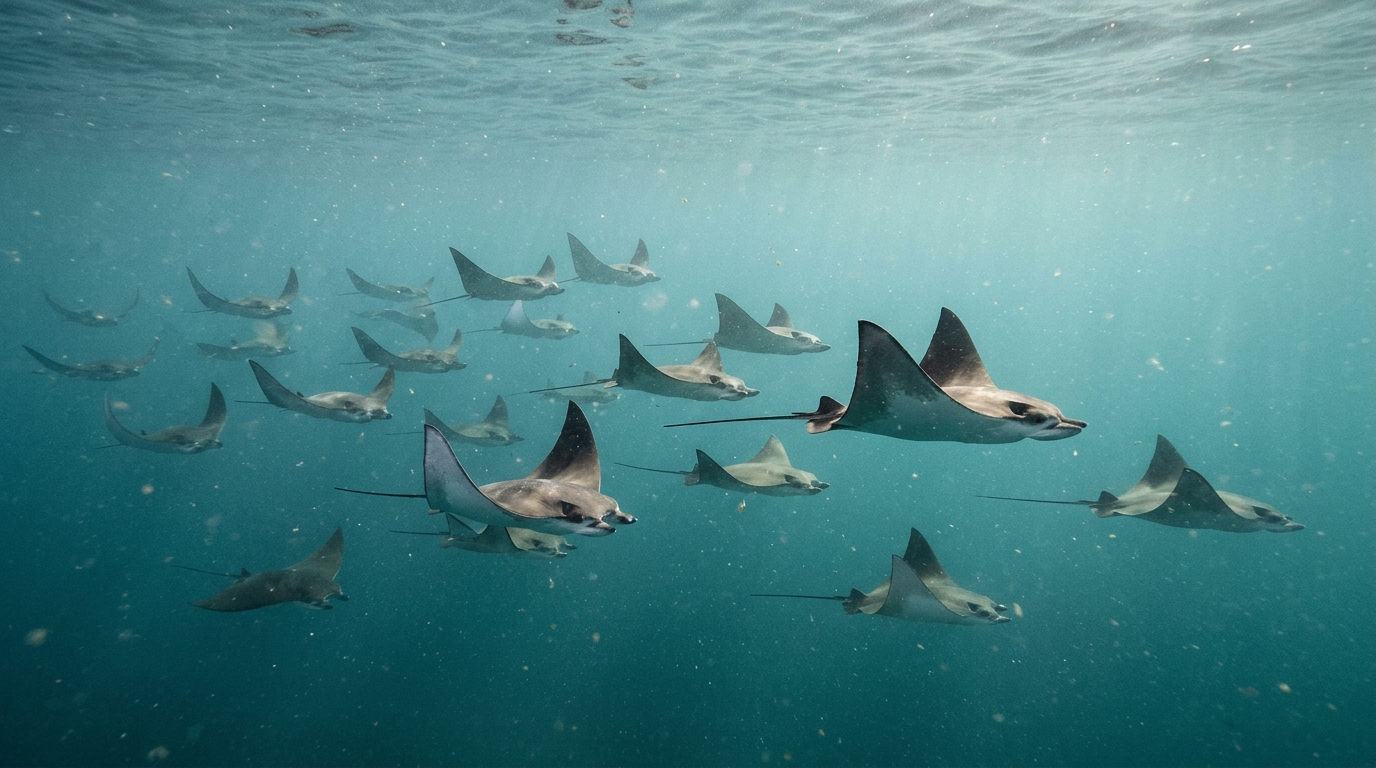
21–28°CMobulas, Orcas & Pelagics
Sea of Cortez Safari
Unscripted open-ocean safaris across Baja’s eastern coast—schooling mobula rays, playful sea lions, transient orcas, and fin/blue/sperm whales.
- Peak Season
- Peak: May – Jul (mobulas & orcas)
- Water Temperature
- Gear: 3mm (Apr–Jun) / Rashguard–2mm (Jul–Nov)
- Group Limit
- Cap: Max 6 guests per panga
Mexico
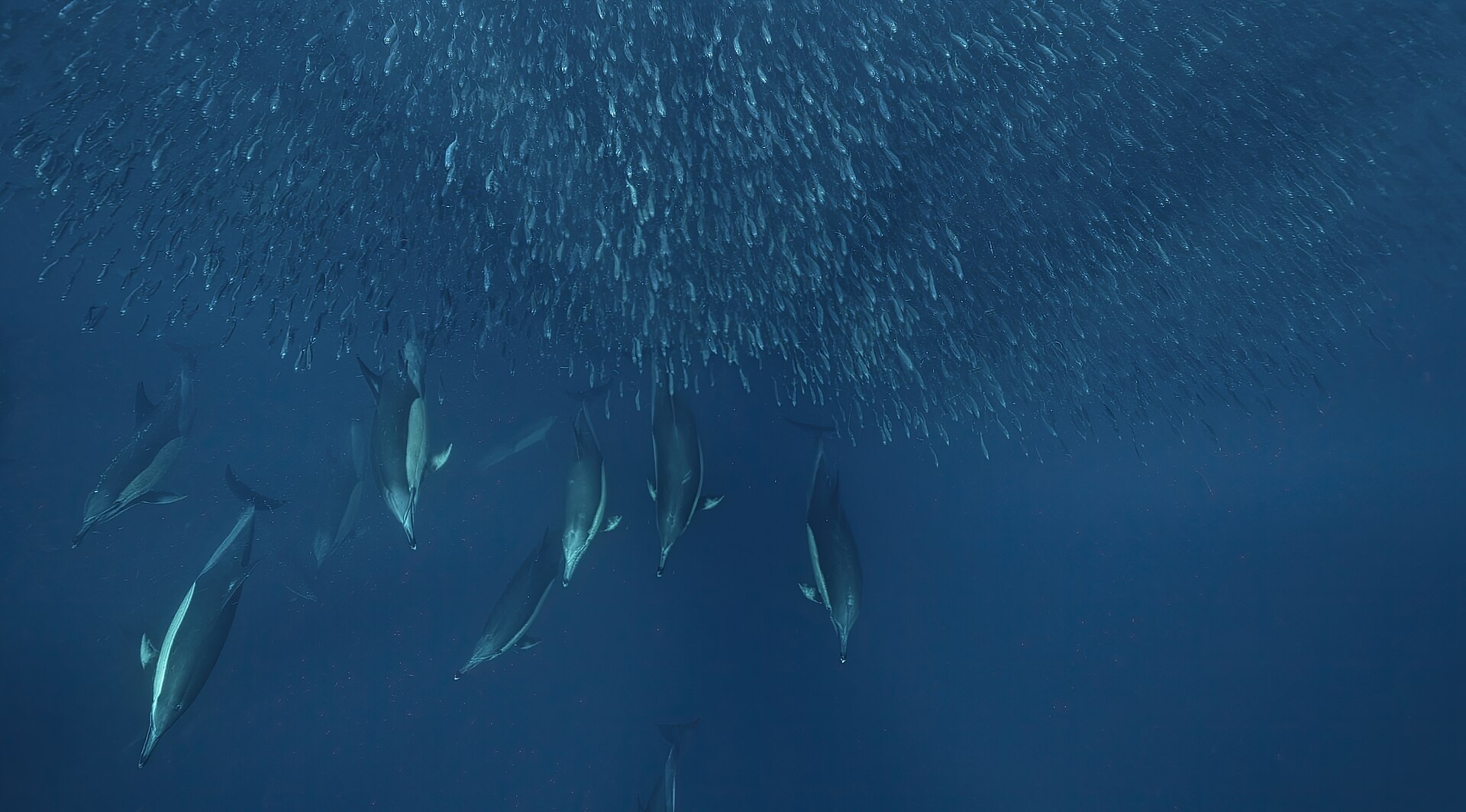
20–24°CStriped Marlin & Bait Balls
Mexican Sardine Run
Fast-paced Pacific blue-water freediving with 10 to 40+ striped marlin slashing through mackerel and sardine bait balls alongside sea lions and whales.
- Peak Season
- Peak: Late Oct – Early Dec
- Water Temperature
- Gear: 3mm–5mm full wetsuit
- Group Limit
- Cap: Max 5–6 guests per panga
More Guides & Field Journal
All 8 guides →Freediving vs. Snorkeling With Whales
When you are allowed to duck-dive versus when surface-only rules apply, how to choose fins and wetsuit thickness for 2°C to 29°C waters, and camera habits that keep whales curious.
Trip PlanningBest Time to Swim With Whales
A month-by-month breakdown of peak wildlife windows across Tonga, Dominica, Timor-Leste, Baja California, Yucatan, and Arctic Norway—so you never book a shoulder week by mistake.
Destination ComparisonsBest Places to See Orcas in the Wild
Where wild killer whales congregate seasonally—comparing Arctic Norway’s winter herring fjords, Baja’s transient pods, and boat-only Pacific Northwest viewing.