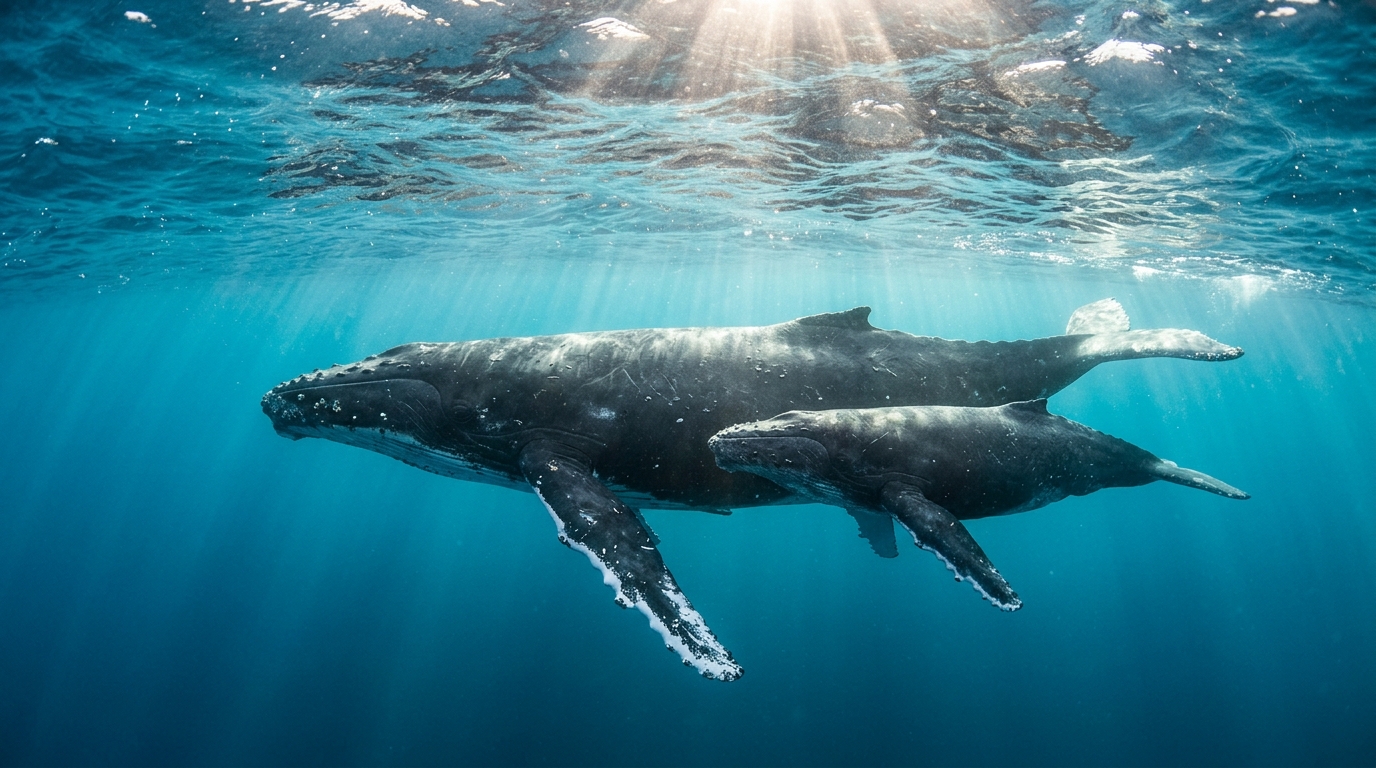
Vava'u & Ha'apai, Kingdom of Tonga
Swim With Humpback Whales in Tonga
Licensed 5 to 7-day small-group charters across Vava'u and Ha'apai during the July–October South Pacific breeding migration.
- Season & Peak Window
- July – October
- Peak: Aug – Sep (calves & heat runs)
- Water Temp & Exposure Gear
- 23–25°C (73–77°F)
- 3mm full wetsuit + windbreaker
- In-Water / Boat Limit
- Max 4 swimmers + 1 licensed guide
- Surface snorkeling (free-floating, no diving down on resting whales)
- Recommended Trip Length
- 5–7 boat days (7–8 nights)
- Typical range: $3,400 – $5,200 / person
- Airport Hub & Routing
- Fua'amotu (TBU) -> Vava'u (VAV) or Ha'apai (HPA)
- Permit & Booking Lead Time
- Book 6–12 months ahead (limited licensed boats)
Tonga Ministry of Tourism Law
Strict 4-Swimmer Rotation & Licensed Guide Mandate
Tongan whale-watching regulations cap in-water entries at 4 guests plus 1 certified Tongan guide at a time, maintaining a minimum 5-meter buffer from adult whales and 10 meters from mothers and calves. Our partner boats cap total passengers at 4–8 so every guest receives maximum rotation time without crowding.
Ocean Conditions & Encounter Overview
Every austral winter, South Pacific humpback whales migrate from Antarctic feeding grounds to the protected reef channels of Vava'u and Ha'apai to give birth, nurse newborn calves, and compete in multi-male heat runs. Because the limestone island chains break open-ocean swell, Tonga offers some of the clearest and calmest blue-water conditions on earth for observing resting mother-calf pairs.
Vava'u provides dozens of sheltered anchorages, deeper drop-offs, and a higher concentration of charter logistics, while Ha'apai offers fewer boats on the water and flatter, sandy reef flats where calves frequently rest in 12–18 meters of water. Both archipelagos run 6–7 hour boat days departing around 08:00.
Encounters are strictly surface-based and passive: you slide in quietly without jumping or splashing, float parallel to the guide, and let curious calves or singing escorts choose whether to approach. Expect 23–25°C water; a 3mm full wetsuit keeps you warm during 45-minute surface floats and blocks tropical UV.
Daily Expedition Rhythm & Structure
08:00 Departure & Reef Channel Scouting
Leave Neiafu (Vava’u) or Pangai (Ha’apai) on a 9–12m twin-engine boat. Skipper and spotter scan sheltered passages for blows, pectoral slaps, and surface-active heat runs.
Behavioral Assessment Before Entry
Boats hold 100 meters off while the guide reads whale movement. Only stationary resting whales, slow-moving mother-calf pairs, or settled escorts are selected for a quiet water entry.
4-Swimmer Rotations & Acoustic Listening
Groups of 4 rotate cleanly with the licensed guide. Between drops, hydrophones frequently pick up male humpback songs vibrating right through the hull.
5–7 Consecutive Boat Days
Multi-day itineraries absorb squalls and shifting whale behavior, pairing morning pelagic searches with afternoon reef snorkels when whales are traveling fast.
Ethical Wildlife Protocol
- Maximum 4 swimmers + 1 licensed Tongan guide in the water per rotation.
- Zero diving down onto resting mother-calf pairs; remain flat at the surface to avoid triggering a flight response.
- No chasing, swimming ahead of a whale’s trajectory, or blocking a calf from surfacing to breathe.
- Boats maintain a 300-meter exclusion zone when another vessel is already actively working a whale.
- No flash photography or underwater strobes; natural ambient light only.
Essential Gear Checklist
- 3mm full wetsuit (essential for multi-hour floats and boat wind chill)
- Low-volume mask, simple J-snorkel, and medium-flex freediving or travel fins
- Boat coat or waterproof windbreaker for trade-wind crossings
- Wide-angle lens (14–24mm full-frame or fisheye) in ambient light housing
- Reef-safe zinc sunscreen and polarized sunglasses for surface spotting
Tonga Humpbacks FAQs
Should I choose Vava'u or Ha'apai for Tonga whale swimming?
Vava'u has more sheltered island channels, better dining/accommodation infrastructure, and easier domestic flight frequency. Ha'apai has far fewer licensed boats on the water and shallow sandbars favored by mothers with calves, but is more exposed when southeast trade winds exceed 20 knots. Both share the same July–October season.
Can I freedive down to the humpback whales in Tonga?
No. Standard ethical practice and licensed guide briefings in Tonga require swimmers to stay at the surface, especially with mother-calf pairs. Duck-diving toward a resting mother frequently causes her to move off immediately. Occasional passive vertical drops are only permitted by your guide with stationary singing males.
What month is best for swimming with humpback whales in Tonga?
July brings early arrivals and clear water with fewer tourists. August and September are peak season for newborn calves, singing males, and competitive heat runs. October offers the warmest water and larger, more playful calves before whales begin the southbound migration.
How strong of a swimmer do I need to be?
You should be comfortable swimming 200–300 meters in open water wearing fins and a mask without holding onto a float, and able to enter the water quietly from a boat ladder or gunwale. Freediving certification is not required.
How do flights to Tonga work?
International flights arrive at Fua'amotu International Airport (TBU) on Tongatapu via Auckland (AKL), Nadi (NAN), or Sydney (SYD). From TBU, Lulutai Airlines operates domestic hops to Vava'u (VAV) and Ha'apai (HPA). Always build a 1-night buffer in Tongatapu on your return.
Direct Local Operator Matching
Plan Your Tonga Humpbacks Expedition
Tell us your preferred July – October dates and group size. We connect you directly with our vetted Tonga expedition lead.
Compare or Combine
Related Expeditions
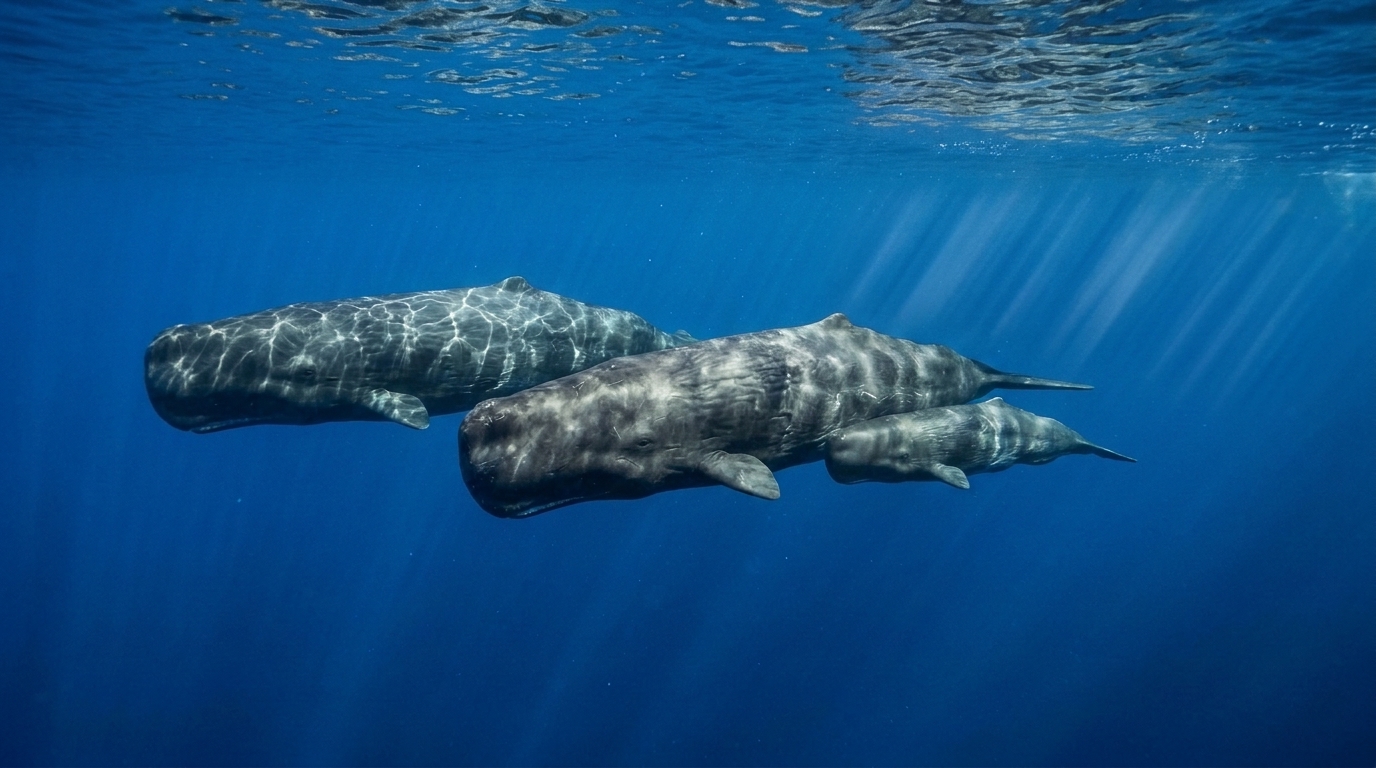
Dominica
26–28°CSperm Whales
Dominica Sperm Whales
The only place in the world with year-round resident sperm whale families in calm leeward waters, governed by strict 3-guest permits.
- Peak Season
- Peak: Nov – Mar (calm leeward seas & social units)
- Water Temperature
- Gear: Rashguard or 1.5–2mm shorty/full
- Group Limit
- Cap: Max 3 guests + 1 licensed guide
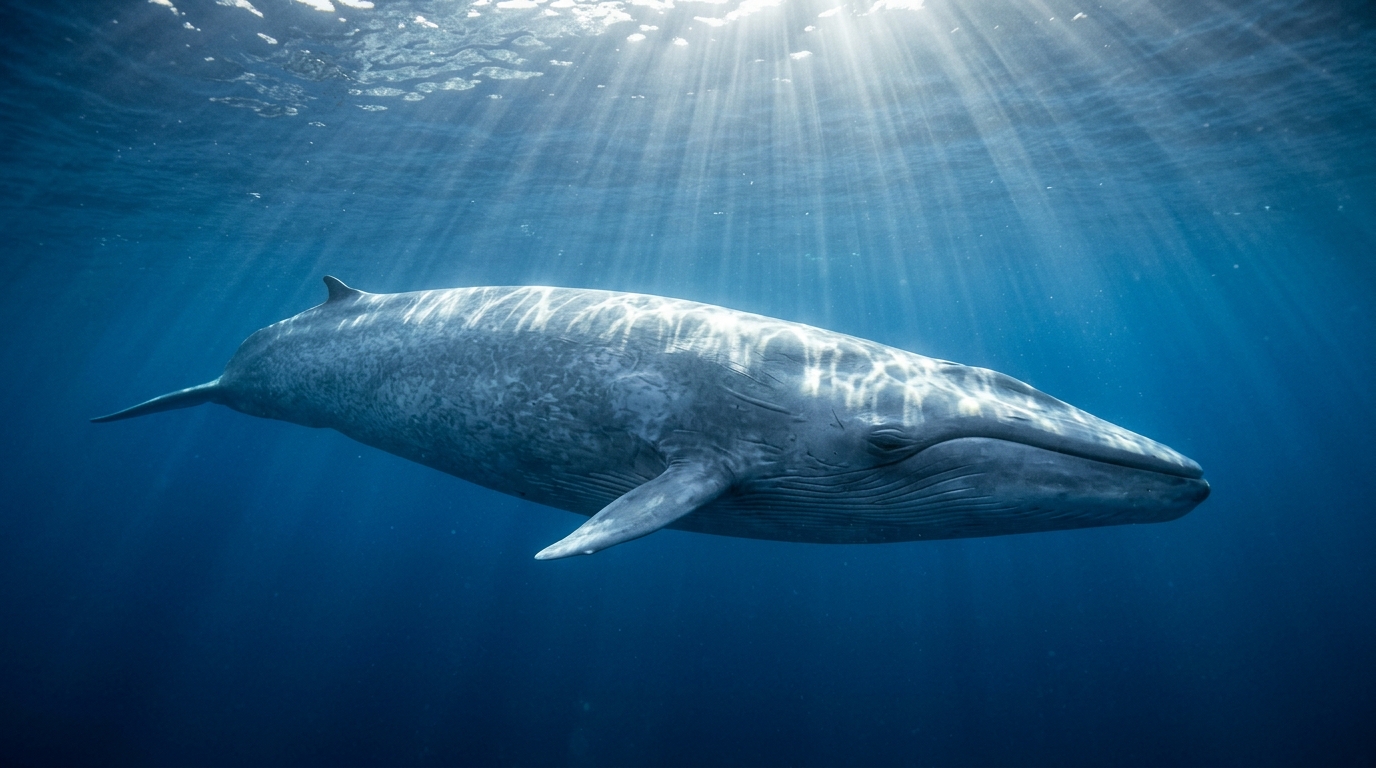
Timor-Leste
27–29°CBlue Whales
Timor-Leste Blue Whales
Deep tropical waters off Dili and Atauro Island where migrating pygmy blue whales pass close to shore every October and November.
- Peak Season
- Peak: Mid-Oct – Mid-Nov
- Water Temperature
- Gear: Rashguard or 1.5mm suit
- Group Limit
- Cap: Max 4 swimmers + 1 guide
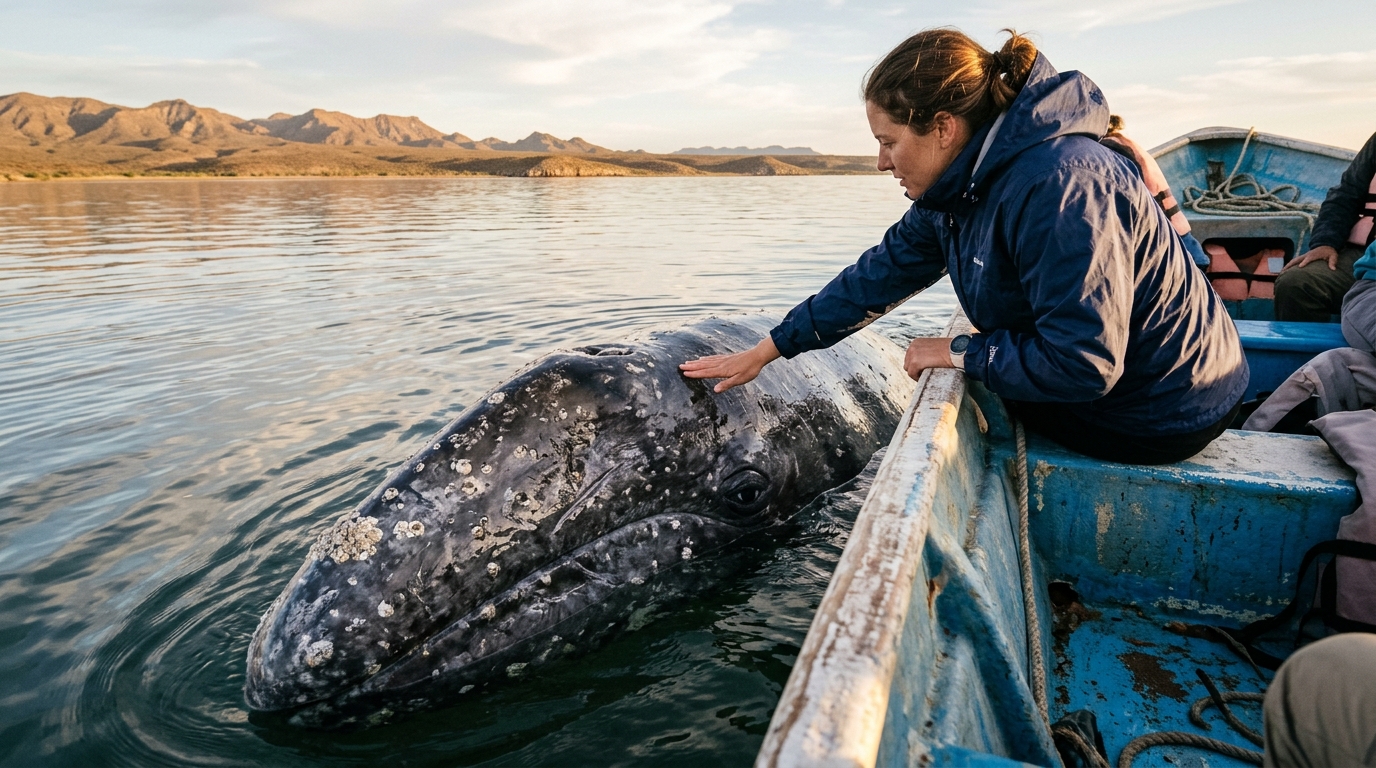
Mexico
16–19°CGray Whales
Baja Gray Whales
The only place on Earth where curious gray whale mothers and calves voluntarily approach small pangas for whale-initiated boat-side contact.
- Peak Season
- Peak: February – March
- Water Temperature
- Gear: Windproof shell, fleece & spray layers (no wetsuit)
- Group Limit
- Cap: Swimming prohibited by Mexican law (max 6–8 guests per panga)